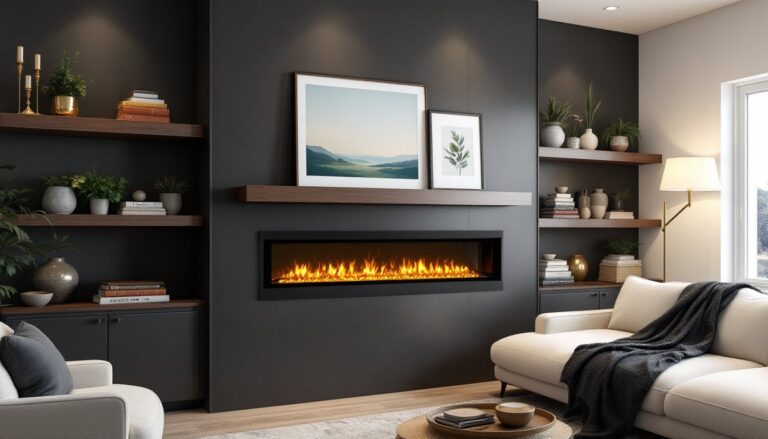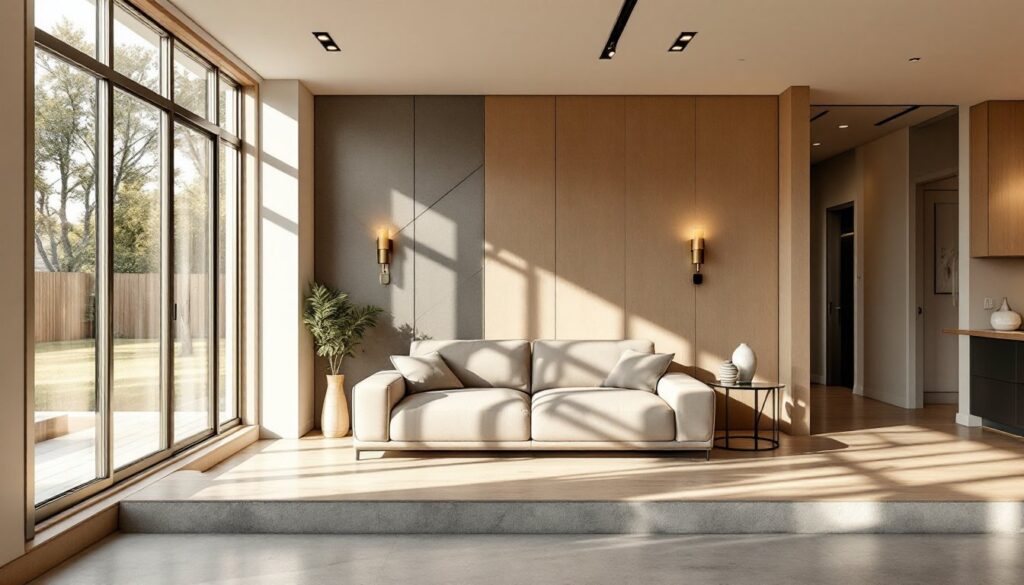
Sunken living rooms were a staple of 1970s and ’80s home design, think conversation pits and dramatic level changes that defined an era. They’ve largely faded from mainstream renovations, but they’re making a quiet comeback among homeowners who want something beyond the cookie-cutter open-plan living space. A modern sunken living room isn’t about recreating the shag-carpeted vibe of decades past: it’s about using strategic elevation changes to create intimate, layered spaces within contemporary homes. Whether you’re renovating an existing sunken area or considering building one from scratch, understanding the design possibilities and practical challenges will help you decide if this architectural feature is right for your home.
Table of Contents
ToggleKey Takeaways
- A modern sunken living room recesses 12-24 inches below the main floor to create acoustic isolation and defined gathering spaces that feel intentional rather than cramped.
- Minimalist and contemporary design styles work best for sunken spaces, relying on clean lines and the architectural level change itself rather than busy patterns or heavy textures.
- Proper lighting requires careful planning with recessed fixtures spaced 4-6 feet apart, complemented by wall-mounted sconces or task lighting to avoid a cramped overhead-fixture feel.
- Structural engineering review is essential before building or renovating a sunken living room, as floor framing must support live loads and handle moisture drainage in inherently water-prone spaces.
- Building permits, HVAC zone control, and egress requirements vary by jurisdiction and must be verified before construction to avoid costly mistakes and ensure code compliance.
- Material continuity between your main floor and sunken area—using matching or complementary finishes—ensures visual flow and prevents the sunken space from feeling disconnected from surrounding rooms.
What Is a Sunken Living Room and Why It’s Making a Comeback
A sunken living room is a seating area set below the main floor level of your home, typically recessed 12 to 24 inches depending on ceiling height and structural considerations. The sunken area is accessed by a few steps down, creating a visual and physical separation from surrounding spaces.
Why the resurgence? Designers and homeowners are drawn to sunken rooms for several reasons. They provide acoustic isolation, conversations stay within the sunken space rather than echoing through an open floor plan. They also offer a sense of coziness and defined purpose in an era when most homes blur room boundaries. Modern interpretations skip the heavy, enclosed feeling of older designs and instead embrace openness with strategic level changes that feel intentional rather than cramped.
A sunken living room works best in homes with adequate ceiling height (9 feet minimum from the main floor to upper structure) and where building codes allow excavation or floor framing modifications. Before committing, verify that your HVAC system, electrical runs, and plumbing can accommodate the level change. Structural changes always require a licensed engineer or architect to review, and most jurisdictions mandate permits for work that affects floor framing or load-bearing walls.
Design Styles That Work Best for Modern Sunken Spaces
Not every design aesthetic suits a sunken living room. The key is choosing styles that emphasize clean lines, purposeful design, and functional separation, elements that make the level change feel like a deliberate design choice rather than a quirk.
Minimalist and Contemporary Approaches
Minimalism is perhaps the most forgiving style for sunken rooms. A minimalist sunken living room relies on the level change itself as the defining design element, keeping furnishings sparse and material palettes neutral. Think light gray walls, warm white trim, and flooring that flows seamlessly from the upper level into the sunken area (sealed concrete, light wood, or light tile all work). The sunken portion becomes a visual anchor without needing busy pattern work or heavy textures to justify its existence.
Contemporary designs work similarly, clean-lined sofas, metal or glass side tables, and strategic accent lighting emphasize the architectural shift. Avoid fussy details: let the geometry of the space do the talking. If you’re sourcing furnishings, smart living room ideas can help you integrate tech-forward elements like flush-mounted lighting or hidden speakers that enhance the minimalist feel without cluttering sightlines.
Mid-Century Modern and Retro Influences
Mid-century modern (MCM) is where sunken living rooms have historical roots, and done thoughtfully, it can feel nostalgic without veering into caricature. The key difference between a successful MCM sunken room and an accidental time capsule is restraint and quality. Choose iconic furniture pieces, a low-profile sofa with tapered legs, a credenza, a good lounge chair, rather than filling the space with every MCM reproduction available.
For color, consider warm wood tones (walnut or teak finish) paired with soft earth tones or muted jewel tones on walls. Brass or warm metal fixtures reinforce the MCM aesthetic. A single statement element, like a geometric accent wall or a distinctive light fixture, can anchor the design without overwhelming the space.
Lighting Solutions for Sunken Living Rooms
Lighting in a sunken room requires careful planning because the recessed elevation changes how light behaves in the space. You’re working with a lower ceiling within that sunken area, which means overhead fixtures must be positioned thoughtfully to avoid glare or a cramped feeling.
Recessed lighting (trim-cut to 4-inch or 6-inch housings, depending on trim diameter) is a practical baseline. Space them 4-6 feet apart on the sunken room’s ceiling, aiming for 15-20 footcandles for ambient lighting (your electrician or lighting designer can calculate this based on room dimensions). Layer in task lighting, table lamps on end tables or floor lamps in corners, to create depth and reduce reliance on overhead fixtures.
Wall-mounted fixtures deserve serious consideration in sunken spaces. Wall lights for living rooms mounted at 60 inches from the floor provide functional light without consuming floor space or requiring a lower, compromised pendant height. Sconces flanking a fireplace or spanning a long wall create horizontal visual interest that counteracts the sunk-down feeling.
Pendants work too, but only if your ceiling height allows them to hang 30-36 inches above furniture (roughly 7 feet from the floor). Too-low pendants create a tunnel effect. Consider dimmable circuits for all sunken room lighting, wired to a wall switch rather than smart controls if you want simplicity. Dimming lets you adjust ambiance without rearranging furniture.
Practical Considerations Before You Build or Renovate
Building or renovating a sunken living room involves structural, safety, and code considerations that go beyond choosing finishes.
Structural Requirements: The floor framing below the sunken area must be engineered to carry the weight of furnishings, people, and snow load (if you live in a snowy climate). If you’re dropping the floor 18 inches, you’re removing existing joists and installing new framing rated for the same live load as the rest of your home (40 psf for residential floors). A structural engineer review is non-negotiable: skip this step and you risk uneven settling, cracking drywall in adjacent rooms, or worse.
Drainage and Moisture: Sunken rooms are inherent water collection points. If your home sits on a concrete slab or in a wet climate, plan for a perimeter drain or sump system within the sunken area. Carpet is not your friend here: sealed concrete, tile, or engineered hardwood with moisture barriers are far safer bets.
Egress and Accessibility: Building codes vary, but most jurisdictions require sunken rooms to have safe egress (an exit path). A single staircase can serve as egress if it’s wide enough (typically 36 inches minimum) and isn’t blocked. If you’re creating a sunken bedroom, egress requirements are stricter, a bedroom window at certain heights may be necessary.
HVAC Challenges: Your heating and cooling system needs to serve the sunken space without short-cycling (rapid on-off cycling that wastes energy). This often means dedicated ducts and dampers or a separate zone control. If your HVAC contractor says “we’ll figure it out,” ask for specifics in writing.
Permits and Timeline: Most jurisdictions require permits for structural changes, electrical work, and plumbing modifications. Budget 4-8 weeks for permits and inspections on top of construction time. Don’t skip this step to save money: unpermitted work can create problems when you sell and may void insurance coverage.
Research modern design trends on platforms like Dwell to gather reference images that show how contemporary homes integrate sunken spaces successfully. You’ll notice that most rely on subtle level changes (12-18 inches) rather than dramatic drops, and they emphasize flow between the sunken area and surrounding spaces rather than isolating it entirely.
Material and Finish Notes: Your floor material should match or complement the main living area for visual flow. If your upper level is light oak, a sunken area in tile or concrete can feel disconnected. Consider a transition area, a few feet of the same material as the upper floor before the sunken area begins. This eases the visual shift.
Living room paint colors can define the sunken space without fully boxing it in. A slightly deeper or warmer wall tone in the sunken area, with the same color carrying into trim and ceiling, keeps it cohesive while adding visual interest. Match paint sheen across the transition (satin or eggshell, not flat) so light bounces consistently.
Conclusion
A modern sunken living room can deliver genuine value, acoustic comfort, visual interest, and a defined gathering space, if it’s designed and built thoughtfully. The days of sunken rooms as pure novelty are gone: today’s versions succeed when they integrate naturally with contemporary architecture and design sensibility. Before committing, consult with a structural engineer, verify your HVAC and electrical feasibility, and pull permits. Done right, a sunken living room becomes a functional architectural feature your household will use for decades. Done poorly, it’s an expensive, hard-to-fix mistake. Take time, plan carefully, and you’ll end up with a space that genuinely improves how your home feels and functions.