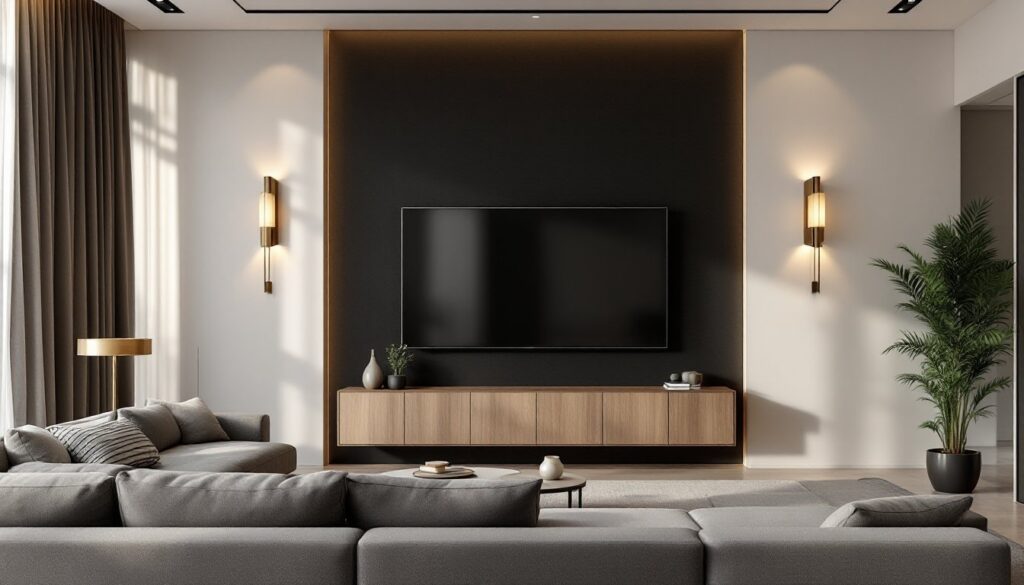
Setting up a modern living room around a television is a balancing act. You want the TV to be accessible and visible, but not so dominant that it overwhelms the entire space. The challenge becomes even more interesting when you’re trying to create a room that feels both functional and intentional. In 2026, the best modern living room ideas embrace flexibility, clean lines, and thoughtful placement that makes the TV part of the design rather than the design itself. This guide walks through seven practical strategies for building a living room layout that works for your family and looks sharp while doing it.
Table of Contents
ToggleKey Takeaways
- Choose between wall-mounted or console TV placement based on your space; wall-mounted saves floor space but requires proper wall studs, while consoles offer flexibility and built-in storage for devices and remotes.
- Position your TV so the screen center sits at eye level (42-48 inches from the floor) and maintain viewing distance of roughly 1.5 times the screen width to avoid neck strain and eye fatigue.
- Create visual balance around your TV through symmetry with matching side tables and lamps, or use accent walls to anchor the design without letting the screen overwhelm the entire room.
- Conceal cables and electronics with wall raceways, in-wall routing, or closed cabinetry to maintain the clean lines essential to modern living room ideas.
- Layer your lighting with dimmable ambient and accent options using warm 3000K tones, positioning sconces at 60 inches high to avoid screen glare during viewing.
- Arrange furniture to support clear sightlines and TV viewing while maintaining at least 30 inches of walking space behind seating to keep the room functional and spacious.
Choosing The Right TV Placement
Wall-Mounted vs. TV Console Options
The first decision you’ll face is whether to mount your TV directly to the wall or place it on a console. Wall-mounted TVs create a streamlined look and free up floor space, which is essential in smaller rooms. Before you reach for the mounting bracket, though, verify that your wall can handle it. A typical 65-inch TV weighs around 60–80 pounds: you’ll need studs or a specialized mounting system rated for that load. Drywall alone won’t support it, and you’ll tear a hole in your wall.
TV consoles, on the other hand, keep mounting flexible and less invasive. You can move or replace the TV later without patching walls. Consoles also provide storage for streaming devices, sound systems, and remotes, practical stuff you’ll actually use. If you go this route, choose a console depth of at least 16 inches to accommodate modern TV hardware without creating a precarious overhang. One solid approach: mount the TV on the wall but place a low console beneath it for component storage and visual grounding.
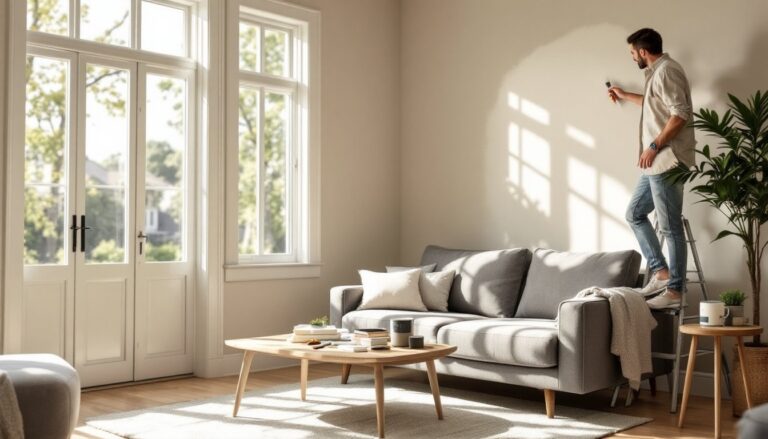
Height matters regardless of your choice. Mount or position the TV so the center of the screen sits at eye level when you’re seated, roughly 42 to 48 inches from the floor for most seating arrangements. Sitting too low or too high creates neck strain during longer viewing sessions. Test the height before committing by taping a cardboard cutout to the wall and sitting on your couch for 10 minutes.
Designing Around Your TV As A Focal Point
Creating Visual Balance With Symmetry And Accent Walls
In modern design, the TV doesn’t have to be the center of visual attention even if it’s physically in the room. A well-designed living room guides the eye to the TV without making it feel like a shrine. One proven approach is building symmetry around the TV. Place identical side tables, lamps, or accent pieces on either side of the screen, which creates visual stability and prevents the room from feeling lopsided. This doesn’t mean copying museum displays, it’s about creating a sense of order.
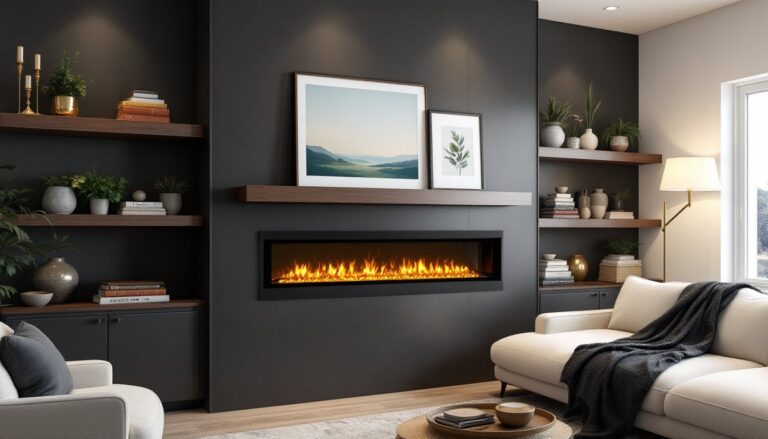
Accent walls can draw attention to the TV or away from it, depending on placement. If your TV wall is darker or textured, it becomes a visual anchor without needing additional decoration. Alternatively, accent walls on adjacent sides of the room can balance a large screen and prevent it from dominating. Modern accents might include matte black paneling, warm wood slats, or even a painted geometric pattern. Avoid busy wallpaper directly behind the TV: it competes visually and makes on-screen content harder to focus on.
Color choices matter more than you might think. Living Room Paint Colors: Transform Your Space guides walk through selecting palettes that complement modern TVs without clashing. Soft neutrals, muted grays, and warm whites are safe anchors. If you want more personality, reserve bold colors for accent walls or painted trim around built-in shelving rather than the entire TV wall.
Modern Furniture Layouts For TV Viewing
Modern living room furniture should support comfortable viewing without creating an awkward gallery effect. The most practical layouts either face the TV directly or angle seating around it. Straight-on layouts work well in rectangular rooms where the TV sits on one short wall and seating faces it. This maximizes sightlines and keeps the room simple.
Angled or L-shaped layouts offer flexibility, especially in larger rooms or open-plan spaces. Pull your primary seating 8–12 feet from the TV screen, depending on screen size. The rule of thumb: sit at a distance roughly 1.5 times the screen width for optimal viewing without eye strain. A 65-inch TV typically works best at 8–10 feet away: a smaller 55-inch screen can sit closer. Modern sectionals are perfect for this layout because they anchor a corner and create natural conversation zones while keeping everyone’s view on the screen.
Don’t forget circulation paths. Leave at least 30 inches of walking space behind seating and between furniture pieces. A room that feels cramped will look small even if it isn’t. Floating furniture, placing the sofa away from the wall, creates visual interest and makes smaller rooms feel larger. Pair this with a low coffee table that doesn’t block the TV view, and you’ve got a functional, modern layout. Smart Living Room Ideas can further enhance how your furniture and technology interact together.
Concealing Cables And Electronics
Visible cables are the enemy of modern design. A tangle of black wires behind your TV screams “DIY project,” even if your layout is perfect. The simplest approach is using cable concealment boxes or raceways that clip to the wall and hide HDMI, power, and coaxial cables in a sleek channel. These come in white, black, or wood finishes and blend into most walls. If you’re mounting the TV, route cables through the wall using a fish tape, this is the cleanest solution, though it requires cutting drywall and fishing cables through the stud cavity.
For consoles, use the back as your friend. Cable management boxes sit behind the TV and keep cords organized without being visible from the couch. Label cables where they connect to devices so future adjustments don’t turn into detective work. A power strip with USB ports mounted behind the console eliminates dangling individual chargers and reduces clutter. If you’re adding built-in shelving around the TV, integrate cable channels into the shelving design so cables run vertically within the frame.
Streamers, soundbars, and gaming devices also need homes. Wall-mounted shelves above or beside the TV keep electronics visible but organized. Alternatively, closed cabinetry below the TV hides these components entirely. One detail most DIYers miss: allow airflow around electronics. Devices like streaming boxes and receivers generate heat, so don’t box them in completely or they’ll overheat and fail prematurely.
Lighting Design For Comfortable Viewing
Lighting makes or breaks a modern living room’s functionality and atmosphere. Hard, direct light on your TV screen creates glare and causes eye fatigue during longer sessions. The solution is layered, indirect lighting that doesn’t bounce off the screen. Start with ambient lighting, wall sconces, LED strip lighting, or dimmable ceiling fixtures that provide base illumination without harsh brightness.
Wall Lights for Living Rooms offer a practical middle ground between task and ambient lighting. Position sconces at roughly 60 inches from the floor on either side of the TV or beside your seating area. This height avoids direct glare and casts soft light across the room. Dimmers are essential here. You’re not installing complicated smart systems, just basic wall-mounted dimmers that let you adjust brightness for movie watching versus general living.
Accent lighting adds personality without interfering with viewing. Recessed lighting in 3000K warm white temperature (measured in Kelvin) mimics natural evening light and feels more inviting than cooler 5000K tones. Avoid placing lights directly across from the TV, where reflections create hotspots on the screen. If your room has windows, hang light-blocking curtains or shades to prevent daytime glare on the TV. Test your lighting setup at different times of day and with the TV on before finalizing placement.
Bringing It All Together: Modern Living Room Setup
A successful modern living room with a TV balances practicality with intentional design. Start by choosing your TV placement, wall-mounted or console, and verify it’s at the right height and distance for comfortable viewing. Build visual balance through symmetry or accent walls, then arrange furniture to support sightlines while maintaining clear walking paths. Hide cables and electronics with raceways or built-in storage so nothing detracts from the clean lines you’ve worked for.
Lighting ties everything together. Layered, dimmable ambient and accent lighting keeps the room functional day or night without creating screen glare. Modern design in 2026 isn’t about trendy pieces that’ll look dated in a year, it’s about creating a space where the TV fits naturally into a thoughtful room design rather than consuming it. Test your setup, adjust heights and distances, and don’t rush the final touches. Your living room should feel comfortable and intentional, not like a showroom. Interior Ideas can help you explore additional design elements that complement your TV-focused layout.
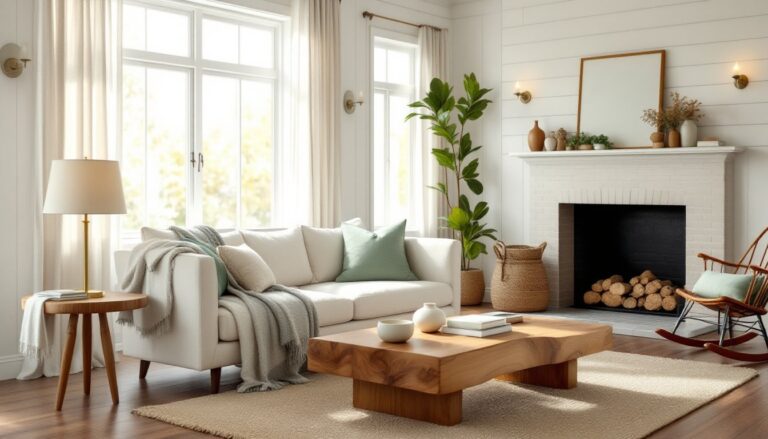
Consider how other focal points like fireplaces or large windows might coexist with your TV. Pictures of Electric Fireplaces in Living Rooms show how multiple focal points work together in modern spaces. Design inspiration from resources like Homedit and Dwell demonstrates how contemporary rooms balance technology with warmth and personality. Your modern living room is an investment in how you spend time at home, get the fundamentals right, and the rest follows naturally.