Creating a living room that feels grounded and serene doesn’t require expensive renovations or overhauling your entire space. Natural earthy living room ideas focus on bringing warmth, texture, and organic elements together in ways that calm the mind and invite relaxation. Whether you’re starting from scratch or refreshing what you already have, these practical approaches work with materials and colors found in nature, think terracotta, warm browns, soft greens, and raw wood tones. The beauty of earthy design is that it ages well, feels timeless, and works across different budgets. Let’s walk through seven actionable ideas to transform your living room into a sanctuary that truly feels like home.
Table of Contents
ToggleKey Takeaways
- Natural earthy living room ideas transform your space using warm neutral tones like terracotta, soft taupe, and muted browns that reduce visual stress and create a calming atmosphere.
- Incorporating organic materials such as solid wood flooring, natural fiber rugs (jute, sisal, wool), and stone accents adds authentic texture and warmth without requiring expensive renovations.
- Living plants grouped in odd numbers at varying heights improve air quality and visual balance; low-maintenance varieties like pothos and ZZ plants thrive with minimal care.
- Layered, warm lighting with bulbs at 2700K color temperature, combined with dimmers and fixtures in natural materials, brings out the richness of earthy tones throughout the day.
- Start with one or two small changes—such as painting a wall or adding a plant—since earthy design works within any budget and timeline, allowing your space to evolve gradually.
Choose A Foundation With Warm, Natural Tones
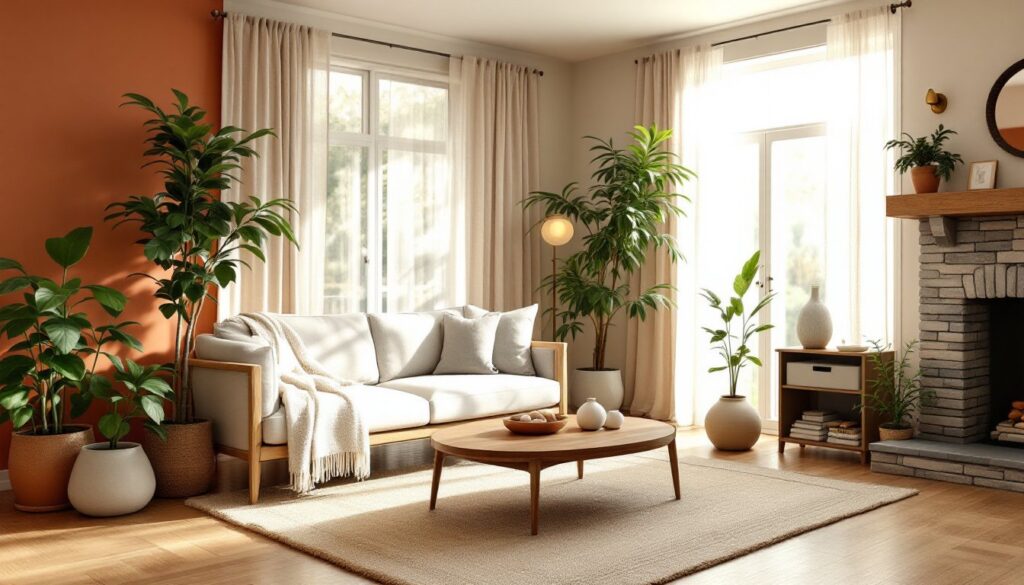
The color palette you select sets the entire mood. Warm, neutral tones like warm beige, soft taupe, clay, and muted terracotta create an inviting backdrop without feeling sterile or cold. These shades reflect how earth naturally looks, sand, stone, and weathered wood, and they’re proven to reduce visual stress.
When selecting paint, consider how light moves through your space at different times of day. A color that looks perfect under store lighting might feel too yellow or too pink once it covers your walls. Buy a sample quart and paint a test section roughly 2 feet square: live with it for a few days under natural and artificial light before committing.
Neutral doesn’t mean boring. Warm grays with brown undertones, soft creams with hint of ochre, or muted sage work beautifully as foundation colors. Living Room Paint Colors: offers deeper guidance on selecting hues that complement natural materials. The key is choosing tones that let your textures and furnishings do the talking without competing for attention.
Incorporate Organic Materials And Textures
Wood Flooring And Furniture
Wood is the workhorse of earthy design. Whether you’re installing new flooring or keeping what you have, wood brings immediate warmth and character. Solid hardwoods like oak, walnut, or hickory develop rich patina over time, while engineered wood offers durability and easier installation if you’re tackling this yourself.
Measure twice before ordering. Hardwood flooring typically comes in random widths or uniform planks: wider planks (5–7 inches) feel more spacious, while narrower ones create a traditional look. Account for 10% waste when calculating square footage, especially if you’re working around obstacles.
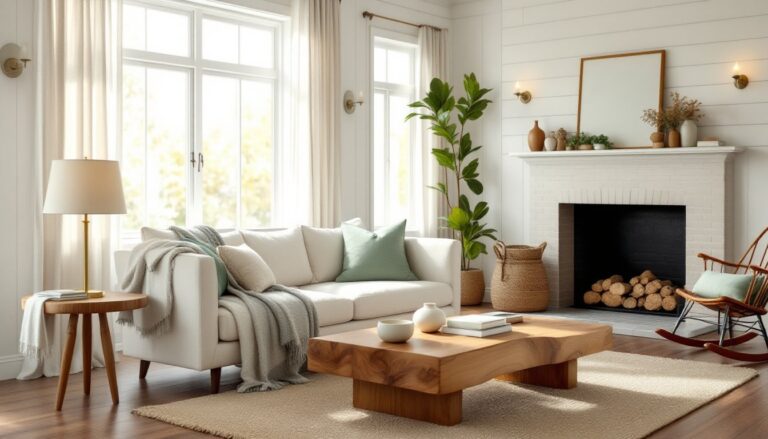
Wood furniture, a solid coffee table, bookshelves, or side tables made from reclaimed or naturally finished wood, anchors the space. Unfinished or lightly stained wood shows grain and knots authentically. Avoid overly polished or plastic-looking finishes: matte and satin finishes feel more grounded.
Stone, Jute, And Natural Fibers
Stone accents, whether a fireplace surround, slate coasters, or river rocks in a bowl, introduce cool, tactile elements that balance warm wood. If you’re comfortable with basic masonry work, stacking stone around a fireplace is doable: otherwise, a professional install ensures structural safety and longevity.
Living Room Rugs: Transform highlight how jute, sisal, and wool rugs ground a room both literally and visually. These natural fibers feel authentic underfoot and weather beautifully. Layer a jute rug as your base, then add a smaller wool or cotton runner on top for softness and visual interest. Jute sheds slightly at first, this is normal, so vacuum regularly and expect fine fibers to settle after a few weeks.
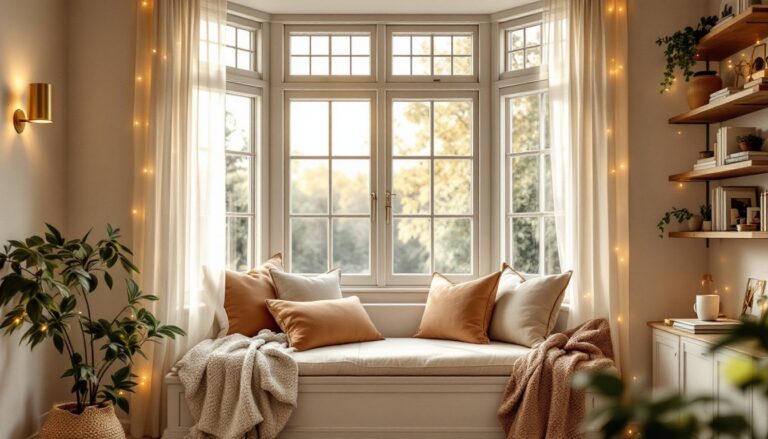
Woven baskets, linen curtains, and cotton throws add texture without clutter. These materials breathe, age gracefully, and pair naturally with earthy color schemes. Look for pieces with visible weave or slight irregularities: machine-perfect uniformity reads as less authentic.
Bring In Plants And Greenery
Living plants transform a room in ways no artwork or decor can replicate. They improve air quality, add movement through leaves, and create visual softness. You don’t need a green thumb, low-maintenance plants like pothos, snake plants, ZZ plants, and rubber figs thrive indoors with minimal fussing.
Group plants in odd numbers (three or five) at varying heights for visual balance. Tall floor plants fill corners and draw the eye upward: smaller plants on shelves or side tables create layers. Use ceramic, terracotta, or concrete planters in natural tones rather than glossy colors that compete with earthy schemes.
Water according to each plant’s needs, not on a fixed schedule. Stick your finger into the soil: if the top inch is dry, water. Overwatering is the #1 killer of indoor plants. Place plants near indirect light, and rotate them every few weeks so they grow evenly. If you’re forgetful, stick with tough varieties like pothos or ZZ, they genuinely don’t mind neglect. Experts at The Spruce provide detailed care guides for every plant type imaginable if you’re new to indoor gardening.
Layer Natural Lighting With Warm Fixtures
Lighting shapes how earthy tones read in your space. Harsh overhead fixtures flatten color and mood: layered, warm lighting brings out the richness of natural materials. Aim for a mix of ambient, task, and accent lighting.
Start with warm-toned bulbs (2700K color temperature feels cozy: 3000K is neutral: avoid anything above 4000K in living spaces). If you’re replacing ceiling fixtures, look for designs with natural materials, wood frames, linen shades, or brushed brass details complement earthy schemes. Wall Lights for Living work beautifully alongside table lamps and floor lamps to create flexible, layered lighting without relying solely on harsh overhead.
Table lamps on either end of a sofa provide focused light for reading and conversation. Floor lamps tucked into corners lift shadows and make the space feel larger. Dimmer switches give you control over intensity throughout the day. If your current setup lacks dimmers, installing a switch isn’t complicated, turn off the breaker, disconnect the old switch, and wire in a dimmer (three wires: black, white, and ground). If you’re unsure about electrical work, call a licensed electrician: it’s worth the safety assurance.
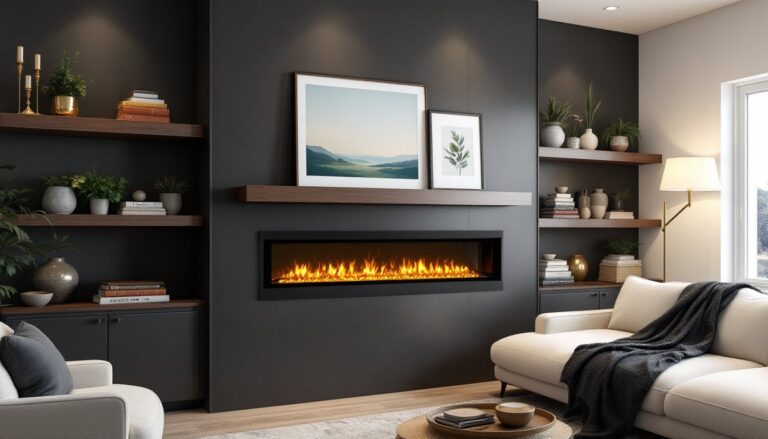
Consider a fireplace, real or electric. A real wood fireplace requires a sweep once yearly and creates natural, flickering ambiance. Electric fireplaces offer warmth and visual interest without maintenance or venting concerns. Pictures of Electric Fireplaces showcase how modern units blend seamlessly with earthy designs.
Conclusion
Earthy living rooms aren’t a trend, they’re spaces designed around calm, comfort, and authenticity. By layering warm tones, natural materials, living plants, and soft lighting, you create a sanctuary that feels intentional and grounded. Start with one or two ideas, paint a wall, add a plant, swap out a light fixture, and build from there. Your living room will evolve into a space that genuinely reflects how you want to live and relax. The best part? Earthy design works within any budget and timeline, so there’s no pressure to do everything at once.