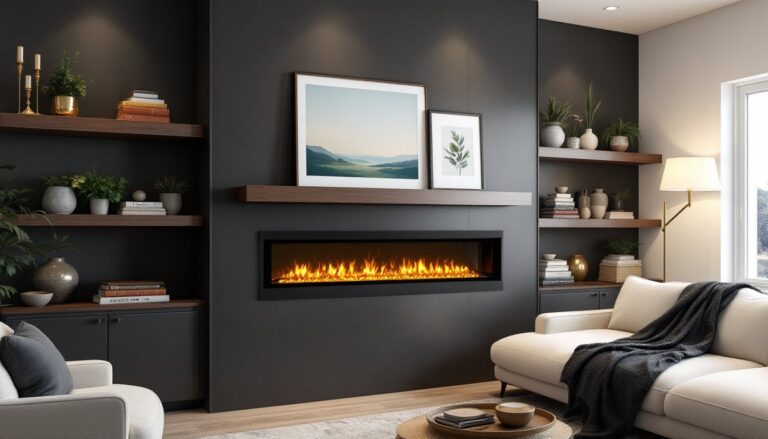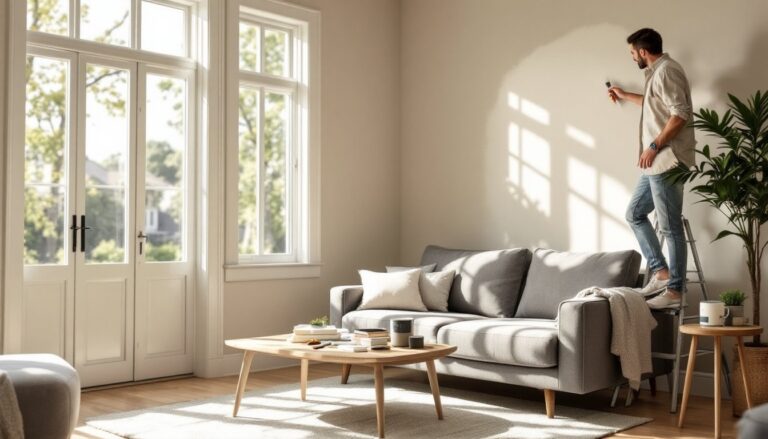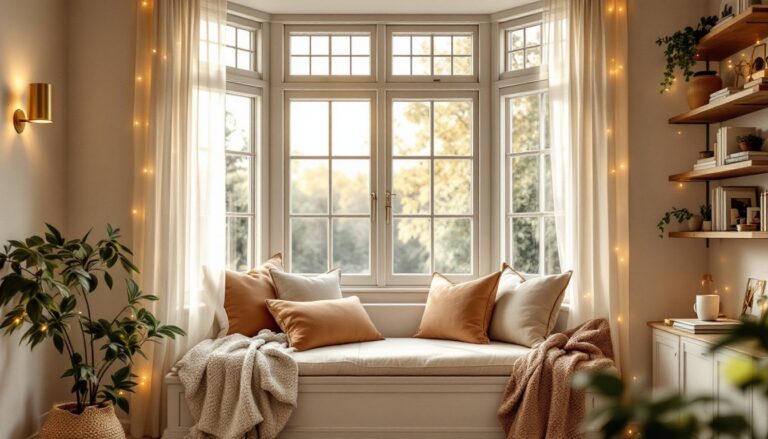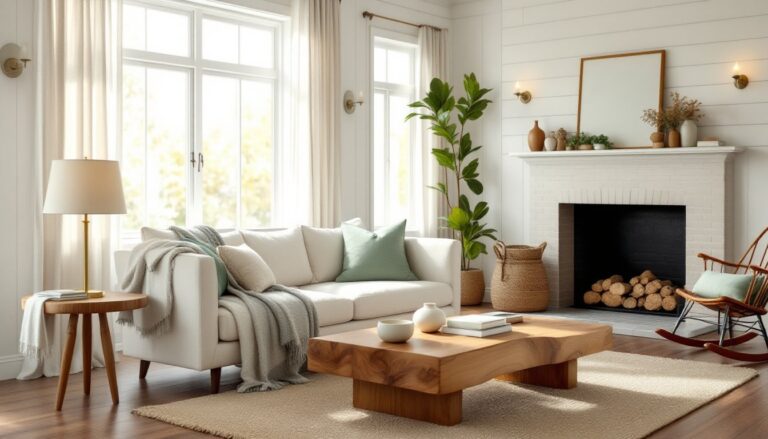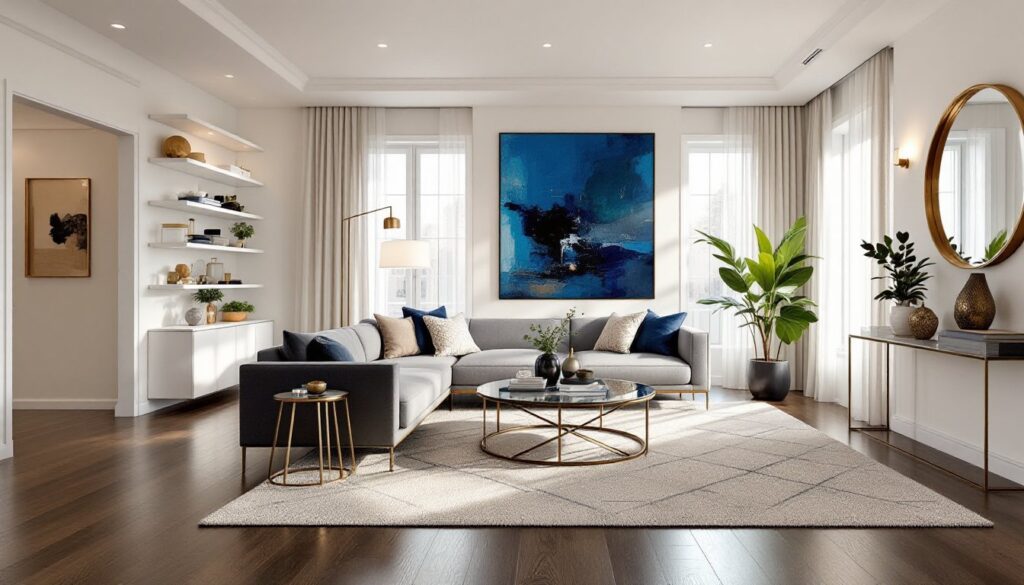
Dark flooring has shifted from a bold gamble to a smart design choice for modern living rooms. Whether it’s the dramatic appeal of nearly black hardwood or the sleek sophistication of charcoal vinyl, dark floors ground a space with contemporary elegance. The key isn’t avoiding dark floors out of fear they’ll darken a room, it’s learning to work with them strategically. This guide walks through material choices, color pairings, furniture placement, and lighting techniques that make dark floors work brilliantly in 2026-style living spaces. You’ll discover how to balance richness with brightness, create visual interest, and maintain those floors without breaking a sweat.
Table of Contents
ToggleKey Takeaways
- Modern dark floor living rooms create visual depth and anchor spaces with contemporary elegance while hiding dust and everyday wear better than light surfaces.
- Luxury vinyl plank (LVP) and engineered hardwood are the top material choices for dark floors, offering a balance of durability, aesthetics, and cost-effectiveness.
- Pair dark floors with light or richly saturated wall colors—crisp whites, mid-tone grays, or accent walls in deep greens and navy—to avoid creating a cave-like effect.
- Balance dark floor visual weight with light-colored sofas, textiles, and furniture; use area rugs, throws, and metallic accents to add warmth and break up monotone darkness.
- Implement layered lighting with warm-toned bulbs (2700K–3000K), natural light maximization, and reflective surfaces to brighten dark floor spaces without harsh institutional vibes.
- Maintain dark flooring by sweeping 2–3 times weekly, wiping spills immediately, using microfiber mops, and adding furniture pads to prevent visible scratches.
Why Dark Floors Work in Modern Living Rooms
Dark floors anchor a room with confidence. They absorb light rather than reflect it, which creates visual depth and makes walls feel less cramped. In modern design, this is intentional, dark flooring pairs with minimalist aesthetics, high ceilings, and uncluttered layouts to feel intentional rather than oppressive.
Another draw: dark floors hide dust, pet hair, and everyday wear better than light surfaces. Practically speaking, they’re forgiving. A dark walnut or espresso tile won’t show footprints or minor scuffs the way pale oak does.
Dark floors also serve as a neutral backdrop for statement furniture or bold artwork. They recede visually, letting accent colors and textures take center stage. In modern design, restraint wins, a single sculptural sofa or large-scale artwork pops against a dark floor without competing for attention.
Finally, dark flooring feels luxe without requiring luxury-level pricing. Engineered hardwood or high-quality vinyl in dark tones delivers that upscale look at a fraction of solid hardwood cost. For homeowners balancing style with budget, that’s a real win.
Choosing the Right Dark Flooring Material
Engineered Hardwood vs. Laminate vs. Luxury Vinyl
Each material has legitimate strengths for dark modern living rooms.
Engineered Hardwood features a real wood veneer over a plywood base. It’s more stable than solid hardwood in humidity-prone climates and costs 20–40% less. Dark species like walnut or smoked oak look authentic and deepen over time. The catch: you can refinish it once or twice, but not endlessly like solid hardwood.
Laminate sits at the budget end but improved dramatically in the past decade. Photographic layers mimic wood grain convincingly, and darker shades hide dust and footprints brilliantly. It’s waterproof-adjacent (not waterproof) and durable for moderate traffic. Downside: it can feel hollow underfoot and isn’t refinishable if damaged.
Luxury Vinyl Plank (LVP) occupies the sweet spot for many DIYers. It’s waterproof, warm underfoot, and quieter than laminate. High-end LVP carries a real wood photo layer with an ultra-realistic texture. Wider planks (5–7 inches) feel more upscale than narrow 3-inch versions. Price range runs $2–6 per square foot installed, depending on brand and core material.
For dark tones, LVP and engineered hardwood read as intentional modern choices. Modern architecture and sustainable home design trends favor materials that balance aesthetics with practicality, both fit that bill. Laminate works if budget is tight, but test samples under your actual lighting before committing.
Color Palettes and Wall Finishes That Complement Dark Floors
Dark floors demand intentional wall color. Painting walls the same dark tone creates a cave effect: instead, pair dark floors with lighter or richly saturated walls for balance.
Crisp White or Off-White walls create maximum contrast and brightness. This is the safest, most modern pairing, dark floor, light walls, minimal visual clutter. A flat or eggshell finish on walls keeps things contemporary without glossiness. For a warmer feel, reach for off-white with subtle undertones like ivory or warm gray rather than stark brightness.
Mid-Tone Gray or Warm Taupe adds sophistication without stark contrast. These colors sit between dark and light, allowing the floor to anchor the space without aggressive brightness. Pair with white trim for definition. This approach reads as confident and mature.
Deep, Saturated Colors, think forest green, navy, or charcoal, work if executed carefully. The key: use them as an accent wall or on 2–3 walls, not all four. Color choices dramatically shift how dark floors feel, and bold wall colors can overwhelm if the floor is equally dark. Balance requires restraint.
Avoid warm oranges, yellows, or peachy tones with dark floors. They fight visually and read dated rather than modern. If you love warm undertones, choose warm taupe or soft sage instead.
Furniture and Decor Pairing for Visual Balance
Dark floors are a visual heavyweight, so furniture choices matter significantly. Light-colored sofas, gray upholstery, or natural wood pieces balance the floor’s weight. A deep charcoal or navy sofa against a dark floor risks blending into shadow: instead, choose mid-tone gray, cream, or even blush upholstery for contrast.
Coffee Tables and Accent Furniture can go two directions: continue the dark theme with walnut or black metal frames (creating a cohesive modern scheme), or lighten the palette with light oak, marble tops, or brass accents. Mixing light and dark creates visual interest, avoid one continuous dark mass.
Textiles Are Essential for breaking up visual weight. Area rugs for living rooms in lighter tones or geometric patterns add warmth and define seating zones. A light-colored throw blanket draped over a sofa or a neutral cushion scatter on chairs prevents the room from feeling cave-like. Texture matters: soft linen, wool, or faux fur in neutral tones feel inviting against hard dark flooring.
Artwork and Decor should lean toward negative space and minimalism. One large statement piece or a curated gallery wall works better than scattered small frames. Light wood shelving, white or light gray shelving units, and metallic accents (brass, chrome, matte black) create visual relief without clutter.
Avoid heavily patterned wallpaper or dense decorative objects in dark finishes, they compound visual heaviness. Clean lines, open shelving with breathing room, and strategic pops of color keep the space modern and livable.
Lighting Strategies to Brighten Dark Floor Spaces
Lighting is non-negotiable in dark floor living rooms. Without it, the space feels dim no matter how light the walls are.
Layered Lighting is the modern standard. Combine overhead recessed lights or a contemporary pendant with task lighting and accent lighting. Recessed lights alone can feel cold: add floor lamps or table lamps with warm-toned bulbs (2700K color temperature) to soften the space. Wall lights for living rooms work brilliantly as secondary light sources, they bounce light off walls and add architectural interest without floor clutter.
Natural Light Maximization matters during the day. Keep windows uncluttered, use sheer or light-filtering curtains rather than heavy drapes, and avoid blocking natural light with tall furniture. Light streams across a dark floor beautifully and highlights wood grain or texture.
Warm Color Temperature Bulbs (2700K–3000K) are essential. Cool white or daylight bulbs (5000K+) look harsh bouncing off dark floors and create an institutional feel. Warm light feels inviting and emphasizes the coziness dark floors can provide when lit correctly.
Reflective Surfaces amplify available light. A large mirror opposite a window bounces natural light around the room. Metallic accents, glass tabletops, and polished surfaces break up visual darkness without adding clutter. Electric fireplaces provide both ambient light and warmth, a practical touch in 2026 modern living rooms.
Dim-capable bulbs and smart switches let you adjust brightness based on time of day and season. In winter, more light compensates for shorter days: in summer, you can dial back intensity and rely on natural light.
Maintenance and Care for Dark Flooring
Dark floors show dust, water spots, and streaks more readily than light surfaces. Fortunately, maintenance is straightforward if you’re consistent.
Daily Upkeep means sweeping or vacuuming regularly to prevent dust accumulation. Use a soft-bristled broom or a vacuum with a hard-floor attachment to avoid scratching. Pet owners should vacuum 2–3 times weekly to minimize hair visibility.
Spills and Spots need prompt attention. Water left on dark floors can spot or warp engineered wood: wipe up liquid immediately with a dry cloth. For sticky residue, use a slightly damp (not wet) microfiber cloth with pH-neutral floor cleaner. Avoid vinegar or overly wet mopping, which damages most dark flooring.
Microfiber Mops are your best friend. They trap dust effectively without requiring water, reducing the risk of water damage or streaking. If using a wet mop, wring it thoroughly so it’s nearly dry before applying to floors.
Scratches and Scuffs on engineered hardwood or LVP are harder to hide than on light floors. Use furniture pads under chair and table legs, felt or rubber that won’t scratch. For minor scratches on LVP, color-matched repair markers exist but don’t always blend seamlessly. On engineered hardwood, deeper scratches require professional refinishing.
Seasonal Adjustments matter. In dry winter months, use a humidifier to maintain 40–50% humidity if your home dries out excessively, this prevents wood floors from shrinking. In humid summers, air conditioning helps prevent warping.
Honestly, dark floors demand more frequent attention than light ones if you want them looking pristine. If you’re unwilling to sweep multiple times weekly, consider a lighter tone or a more forgiving material like laminate.