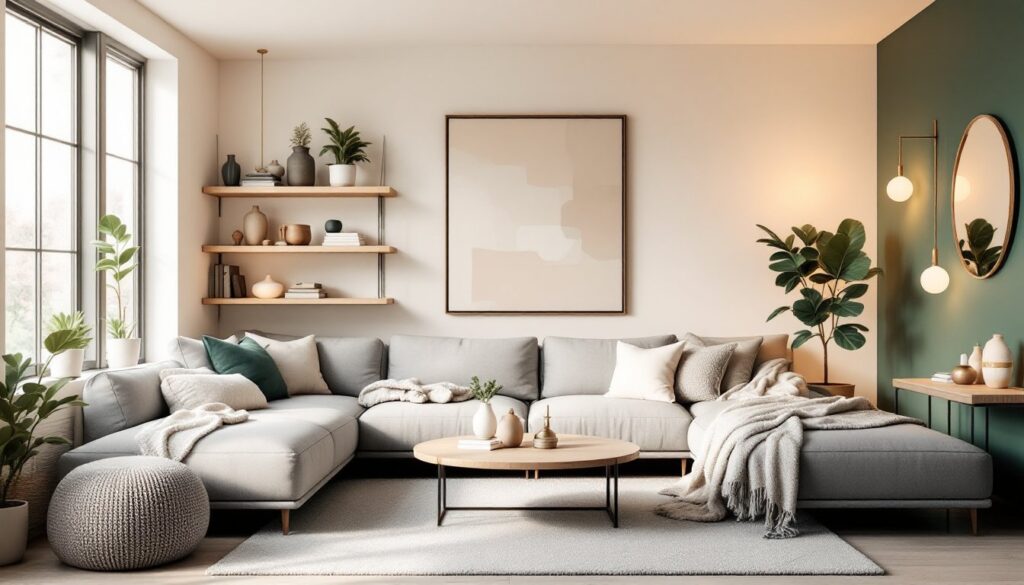
Pinterest has become the go-to source for living room inspiration, offering thousands of real-world design ideas that homeowners can actually execute. Whether you’re drawn to clean lines and minimalism or cozy farmhouse warmth, the platform showcases countless living room ideas that balance aesthetics with practicality. This guide pulls together the best trends, layouts, and DIY approaches you’ll find pinned across the platform, plus actionable steps to make them work in your own space. From paint colors to furniture arrangement, we’ll walk you through proven strategies that deliver results without requiring a designer’s budget.
Table of Contents
ToggleKey Takeaways
- Living room ideas on Pinterest showcase both minimalist and farmhouse styles, each offering distinct aesthetics—clean lines and neutral palettes for modern spaces, or warm textures and reclaimed materials for cozy atmospheres.
- Budget-friendly transformations come through thrifting, upcycling furniture, DIY projects like pallet coffee tables, and strategic paint choices that cost $30–50 per gallon but dramatically reshape a room’s entire mood.
- Furniture layout should orient around a focal point (fireplace, TV, or window), with floating arrangements and proper spacing (18–24 inches between seating) that encourage conversation and comfortable flow.
- Layered lighting combining ambient, task, and accent sources with warm-white bulbs (2700K) and dimmers creates inviting spaces far more effective than single overhead fixtures.
- Color selection through warm neutrals, soft grays, and accent walls, paired with textures like throws and area rugs, prevents living rooms from feeling cold while maintaining visual interest without clutter.
Modern Minimalist Living Room Designs
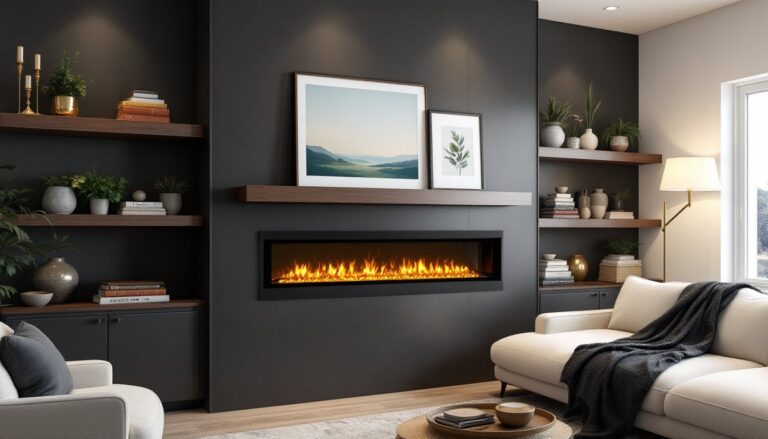
Modern minimalist living rooms strip away excess and focus on clean lines, neutral palettes, and functional furniture. Think white walls, low-profile sofas, and plenty of negative space, but not cold or sterile. A minimalist room still needs warmth through texture and carefully selected accent pieces.
The key is discipline: every item earns its place. Instead of filling shelves, you might display just one sculptural object or a single piece of wall art. Concrete accents, light wood tones, and matte finishes replace ornate details. Storage becomes architectural, built-in shelving that disappears into the walls rather than freestanding units that clutter the room.
Lighting plays a subtle but critical role. Instead of a traditional overhead fixture, consider pendant lights or track lighting that feels integrated. Seating typically means a sectional in gray or cream linen, paired with a low coffee table in wood or metal. Wall-mounted floating shelves and hidden storage keep surfaces clear. This style demands regular decluttering, Pinterest boards full of minimalist rooms often feature homes immediately after a major edit, so expect to maintain the look through intentional restraint.
Cozy Farmhouse And Rustic Living Room Aesthetics
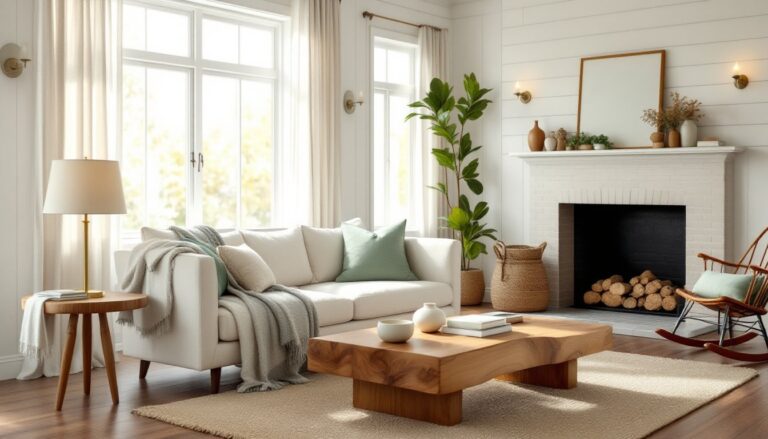
Farmhouse and rustic aesthetics lean into warmth, reclaimed materials, and lived-in charm. Shiplap walls, exposed beams, and vintage-inspired furnishings create that welcoming, nostalgic feel Pinterest users can’t get enough of.
The farmhouse palette centers on warm neutrals, creams, taupes, warm grays, and deep blacks for contrast. Upholstered furniture often features linen or distressed leather, softened with chunky knit blankets and plaid pillows. Metal accents like wrought iron, galvanized fixtures, or vintage brass lamps add character without feeling precious.
Wall treatments matter here: shiplap (real or peel-and-stick) and exposed brick create backdrop interest. Adding a cottage style living room aesthetic means incorporating vintage finds, milk cans, old wood signs, mason jar displays, but restraint is crucial. Too many accessories tip from cozy into cluttered. Consider an area rug in a muted geometric or solid pattern to ground the seating area and anchor the room’s warmth.
Budget-Friendly Decor Ideas And DIY Projects
Transforming a living room doesn’t require a contractor’s budget. Smart shopping, strategic DIY, and prioritizing impact pieces stretch every dollar.
Thrifting And Upcycling Furniture For Impact
Thrift stores, Facebook Marketplace, and estate sales yield solid wood furniture at a fraction of retail cost. A $40 wooden side table gets a fresh coat of paint in a modern accent color: a worn leather sofa becomes a design statement with throw pillows and a blanket. The trick is identifying bones, solid construction trumps perfect finish, since refinishing is a straightforward weekend project.
Upcycling also means reimagining pieces. Old wooden doors become headboards or wall art. Ladder shelving (often $15–25 new) stacks books and plants without permanent wall damage. Pallet wood coffee tables are a classic DIY build, requiring just screws, a saw, and sandpaper. Interior ideas can guide bigger transformations, but simple refinishing, sanding, staining, or painting, gives second-hand finds new life at minimal cost.
Wall art doesn’t have to mean framed prints. String lights, floating shelves displaying treasured items, or a simple gallery wall of mixed frames (sourced gradually) creates visual interest for under $100. Even paint is ROI-friendly: a fresh coat on an accent wall or trim work transforms the entire room’s energy, and primer plus quality paint costs $30–50 per gallon for standard interior coverage.
Color Palettes And Wall Treatments That Transform Spaces
Color is the fastest, most affordable way to reshape a room’s mood. Living room paint colors deserve careful consideration because they anchor every other design choice.
Neutral palettes, warm grays, soft whites, taupe, work as versatile backdrops and appeal broadly. But don’t default to beige and call it done. Opt for warm whites with undertones (ivory, cream, off-white) rather than cool, sterile versions. Soft gray-greens or greige (gray-beige blend) feel contemporary while remaining timeless.
Accent walls introduce personality without overwhelming. Deep jewel tones like forest green, navy, or terracotta behind seating create drama without painting the entire room. Matte finishes feel more sophisticated than glossy: eggshell or satin primers and paints hide imperfections while resisting scuffs better than flat finishes.
Beyond paint, texture matters. Wallpaper (removable or permanent) adds pattern without commitment. Shiplap, board-and-batten, or simple wainscoting (often DIY-able with basic carpentry) breaks up large wall planes. Keep wall treatments proportional to room size, a small living room with bold pattern everywhere feels claustrophobic, while a large room can handle architectural detail more confidently. Test paint samples on large poster board under your room’s actual lighting before committing.
Furniture Layouts And Space Planning Tips
Room layout determines whether a living room feels inviting or awkward. Start by identifying your focal point: fireplace, TV, picture window, or architectural feature. Furniture should orient toward that anchor, creating conversation zones rather than theater seating.
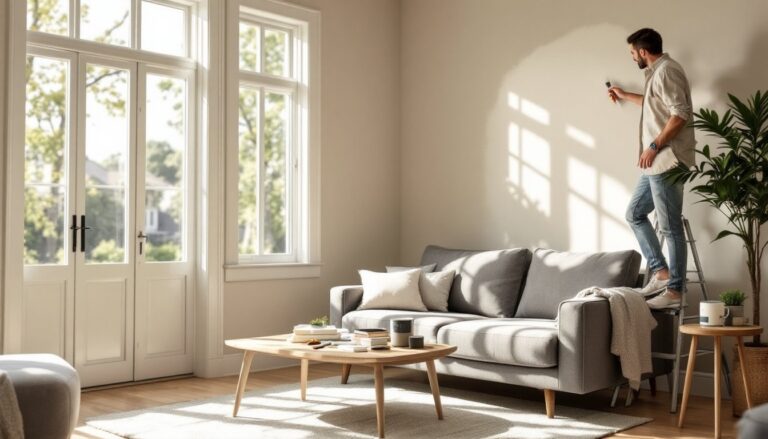
Measure before moving. Floor plans (even rough sketches on graph paper) prevent expensive mistakes. Note window placement, door swing, and any structural features (pillars, recesses) that affect flow. A sectional might seem perfect in person but choke off foot traffic in your actual space.
Floating furniture, pulling seating away from walls, creates intimacy and maximizes the feeling of spaciousness in smaller rooms. A rug anchors the arrangement and defines the living area within a larger open plan. Aim for 18–24 inches between seating pieces for comfortable conversation distance.
Scale matters too. An oversized sofa dwarfs a small room: a petite loveseat disappears in a large one. Mixing heights, high-backed sofas with lower tables and upholstered ottomans, prevents visual monotony. Leave sightlines clear: don’t block windows or let furniture obstruct entries. Traffic patterns should feel natural, never forcing guests to navigate an obstacle course.
Lighting Solutions And Accent Decor Ideas
Lighting isn’t an afterthought, it’s architecture. A single overhead fixture creates harsh shadows and flattens the room. Layered lighting (ambient, task, accent) feels intentional and inviting.
Ambient lighting sets the mood: recessed fixtures, pendant lights, or a low-key flush mount provide base illumination. Task lighting addresses function: desk lamps, reading lights over chairs, or directional sconces ensure you can actually use the space. Accent lighting highlights features: picture lights over art, cove lighting along shelves, or wall lights for living rooms add drama and depth.
Dimmers transform lighting flexibility, the same room works for movie night, conversation, or focused work depending on intensity. Warm white bulbs (2700K color temperature) feel cozier than cool tones.
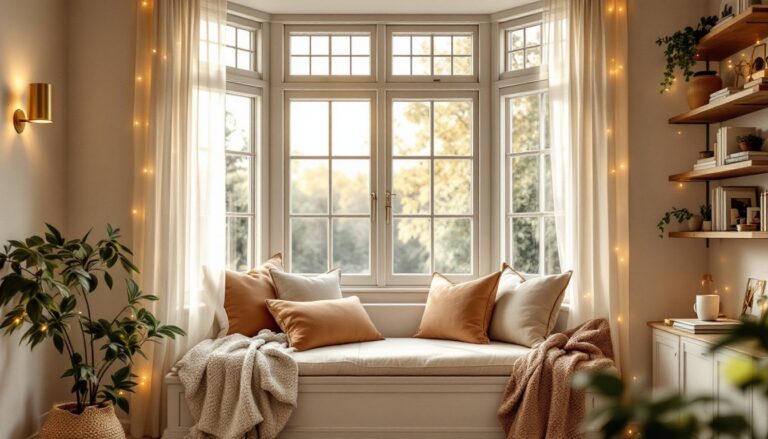
Accent decor brings personality without chaos. A statement mirror reflects light and enlarges the room optically. Large-scale art (a single painting beats several small frames on most walls) anchors seating areas. Plants add softness and air quality: fiddle leaf figs and monstera varieties are Pinterest staples but require consistent light and watering. Texture through throws, area rugs, and cushions prevents the space from feeling cold or one-dimensional. Consider focal-point decor that tells a story, a beautiful bookshelf, a curated shelf with objects you love, or pictures of electric fireplaces in living rooms for warmth and visual interest.