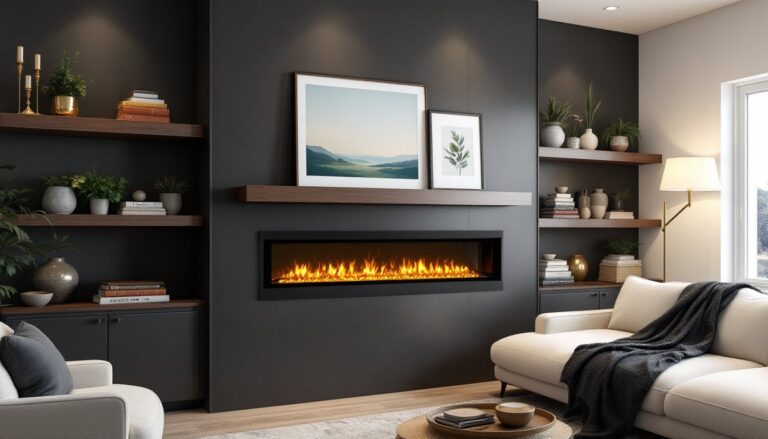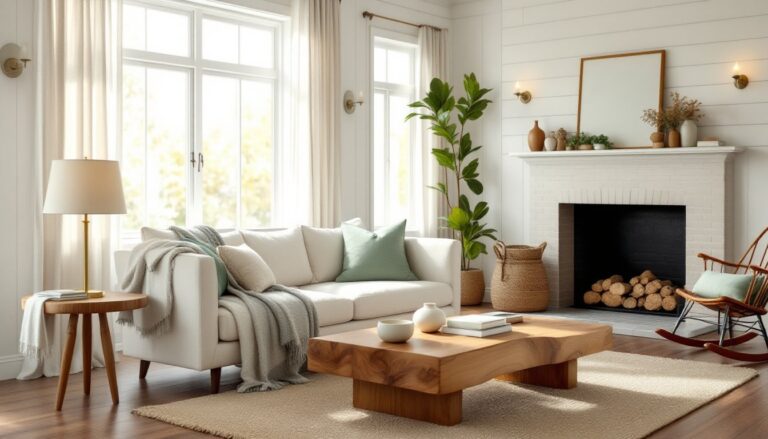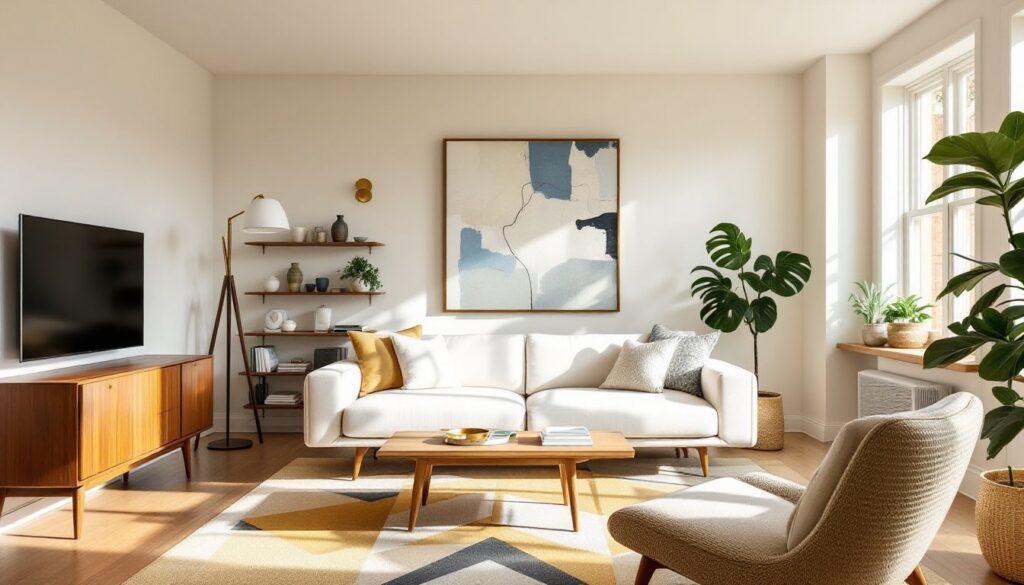
A mid-century modern living room isn’t just a design trend, it’s a statement of clean lines, purposeful function, and understated elegance that’s only grown more appealing as mass-produced furniture floods the market. Whether you’re drawn to the sleek minimalism of Scandinavian influence or the bolder geometric forms of American modernism, a mid-century modern living room works because it respects both form and utility. This style emerged between 1945 and 1965, and its core appeal remains unchanged: quality materials, honest construction, and designs that age gracefully rather than looking dated in five years. Building an authentic mid-century modern living room doesn’t require an unlimited budget or an interior designer, it requires understanding the principles, knowing where to invest, and being willing to skip the filler pieces that dilute the aesthetic.
Table of Contents
ToggleKey Takeaways
- A mid-century modern living room prioritizes clean lines, purposeful function, and honest materials over trends, creating a timeless aesthetic that ages gracefully rather than feeling dated.
- Identify your mid-century modern substyle—Scandinavian minimalism, American modernism, retro modern, or minimalist modernism—by gathering reference images and understanding your preference for wood tones, furniture proportions, and shapes.
- Invest in high-impact anchor pieces like a quality sofa, credenza, and coffee table with solid hardwood frames and genuine materials, then build your design around them while sourcing budget-friendly vintage or reproduction alternatives.
- Select a restrained or bold color palette with no more than three main colors plus neutrals, and pair them with substantial natural materials like walnut, teak, wool, and leather for an authentic mid-century modern aesthetic.
- Layer ambient, task, and accent lighting using sculptural fixtures like arc floor lamps and wall sconces to add dimension and warmth while maintaining clean sight lines.
- Blend your mid-century modern living room with contemporary needs—flat-screen TVs in credenzas, USB-enabled sofas, and modern cable management—by respecting mid-century design principles of function and honesty rather than strict period accuracy.
Define Your Mid-Century Modern Aesthetic
Mid-century modern isn’t a single look. The era spans several regional and stylistic branches, and knowing which direction appeals to you shapes every decision that follows.
Scandinavian modernism emphasizes light woods (teak, walnut), pale textiles, and an almost minimalist restraint. Think sleek legs, tapered furniture, and plenty of negative space. American mid-century modern tends toward bolder forms, richer woods, and more sculptural pieces, think Eames lounge chairs and credenzas with brass hardware. Retro modern borrows the color palette and nostalgia without strict adherence to authenticity, often mixing eras. Minimalist modernism strips things down to essentials: stark geometry, monochromatic schemes, and clean sight lines.
The best starting point is to gather reference images that make you pause. Save magazine spreads, Pinterest pins, and photos from sources like interior design trends and architectural features. Ask yourself: Do I gravitate toward lighter wood or darker walnut? Do I want a sofa with tapered legs or one with architectural arms? Am I drawn to organic shapes or geometric forms? Your answers will become the north star for every purchase and placement decision.
Key Design Principles That Stand The Test Of Time
Mid-century modern succeeds because it follows a few non-negotiable principles. Functionality first: Every piece should serve a purpose. Decorative items exist, but they’re never merely decorative, a sculptural bowl might also hold keys, a side table is proportioned for actual use, not visual bulk.
Clean lines and minimal ornamentation are the hallmark. Flat surfaces, recessed details, and honest materials replace fussy trim or applied decoration. A mid-century credenza doesn’t hide its construction: the legs, joinery, and wood grain are the design.
Proportion and scale matter enormously. Mid-century designers obsessed over how furniture occupies space. An oversized sectional eating up your living room violates the principle, even if it’s technically mid-century in style. Furniture should float in the room with breathing room around it, not hug the walls.
Material honesty means wood looks like wood, metal like metal, leather like leather. Plywood veneers with quality finishes are fine: plastic veneers pretending to be walnut are not. If a leg is supposed to be brass, it shouldn’t be plastic painted gold.
One practical approach: Start by securing a signature mid-century modern sofa or seating piece that resonates with your chosen substyle, then build everything else around it. That anchor piece becomes your reference for color, wood tone, and overall mood.
Furniture Selection: Finding Authentic Pieces Without Breaking The Budget
Authentic mid-century modern furniture, Eames, Knoll, Herman Miller originals, commands premium prices for good reason: solid wood construction, thoughtful joinery, and finishes that outlast fast furniture by decades. But you don’t need to spend $4,000 on an original lounge chair to achieve the aesthetic.
High-impact investment pieces worth the money: A quality sofa (real hardwood frame, eight-way hand-tied springs or sinuous springs, genuine leather or performance fabric), a credenza or sideboard in solid wood, and a coffee table with real materials. These pieces anchor the room and survive heavy use.
Budget-friendly alternatives: Reproductions from companies that respect original designs (not knockoffs with cheap particleboard and veneers), vintage finds from estate sales and local auctions, and modern interpretations that follow mid-century proportions and materials. A $400 reproduction sofa from a maker using hardwood frames and decent upholstery will outlast a $600 trendy piece made from engineered materials.
Smart sourcing tips: Check local Facebook Marketplace, Craigslist, and estate sale listings first. Original pieces from the 1950s–1960s often surface at reasonable prices because sellers don’t recognize their value. Inspect for solid wood frames (tap the underside, solid wood sounds solid), check for loose joints or wood worm damage, and ask about the history. Reupholstering an original frame costs $500–$1,500 but restores a piece indefinitely. Modern makers like Article, West Elm, and Room & Board offer solid pieces with mid-century proportions at mid-range prices. Avoid particle-board or MDF construction, these materials won’t hold up.
Color Palettes And Materials That Capture The Era
Mid-century modern color palettes break into two camps: restrained and bold. Restrained palettes use warm neutrals (cream, taupe, soft gray, warm white), paired with one or two accent colors in muted tones, mustard yellow, sage green, burnt orange, or slate blue. Bold palettes lean into saturated colors: teal, coral, deep teal, and sunny yellows, often used as large blocks on a single wall or in upholstery rather than scattered across the room.
Whatever palette you choose, pick no more than three main colors plus neutrals. Too many colors fracture the clean-line aesthetic. When considering living room paint colors, test large swatches on your walls and observe them at different times of day, warm light changes how colors read.
Material palette is equally important. Typical combinations include:
- Warm wood tones (walnut, teak, oak) with white or cream walls
- Dark woods (ebony, rosewood) with pale gray walls and warm textiles
- Light wood (ash, blonde oak) with soft greens or blues
- Textiles: Natural fibers dominate, wool, linen, cotton, and leather. Patterns are geometric or abstract, rarely floral. Wool felt, twill, and tapestry weaves appear often.
Materials should feel substantial. Mid-century designers favored plywood, solid hardwood, pressed steel, aluminum, brass, and genuine leather. Modern reproductions that substitute cheaper materials immediately feel wrong. When shopping, read product descriptions carefully: “solid wood frame” means hardwood: “wood frame” might mean particle board with veneer.
Lighting And Accessories To Complete The Look
Lighting is where mid-century modern shines, quite literally. The era obsessed over sculptural light fixtures as both functional and artistic. Arc floor lamps with marble or walnut bases, tripod floor lamps with tapered legs, pendant lights with molded plastic or metal shades, and brass or ceramic table lamps are all signature pieces.
Wall lights for living rooms add warmth without taking up floor space, especially in tighter layouts. Sconces with brass arms, wooden backplates, or frosted glass shades work beautifully flanking a sofa or artwork. Recessed ceiling lights with exposed bulbs or simple trim maintain the clean aesthetic.
Avoid downlighting as your sole source, it flattens the room. Layer ambient, task, and accent lighting to give the space dimension. A dimmer switch lets you adjust mood.
Accessories should feel curated, not cluttered. Mid-century living rooms featured art (abstract prints, graphic posters), sculptural ceramics, wood bowls, brass planters, and minimal decorative objects. A living room rug anchors the seating area and adds pattern, geometric designs, solid colors, or abstract motifs work well. Area rugs should define zones without overwhelming the floor.
Wall art might include a single large abstract print, a gallery wall of vintage frames, or a simple geometric composition. Keep it intentional. If an item doesn’t add to the aesthetic or serve a function, leave it out.
Blending Mid-Century Modern With Contemporary Living
Strict period-room recreations can feel sterile. Most people want a mid-century modern living room that feels lived-in, accommodates contemporary needs (streaming TV, phone charging, pet comfort), and works with existing pieces.
Integrate modern tech without breaking the aesthetic: A flat-screen TV mounted on the wall or housed in a credenza integrates better than perching it on a stand. A modern media console with clean lines and warm wood tones feels cohesive. Conceal cables and chargers behind furniture or use cable management boxes in neutral colors.
Layer in contemporary comfort: If your sofa needs USB ports (many modern pieces include them), that’s fine, it’s functional, which the era celebrated. A comfortable sectional with modern construction and a mid-century silhouette doesn’t betray the style: it honors its practicality-first ethos. Soft contemporary textiles in muted tones blend seamlessly.
Mix eras thoughtfully: One or two contemporary pieces don’t destroy the aesthetic if they respect the design language. A modern glass coffee table with a wooden base, a contemporary area rug with geometric patterns, or a recent painting with mid-century color palettes feel intentional, not jarring. Avoid styles that directly conflict, no ornate traditional mirrors, no bohemian macramé, no shabby chic distressing.
Sources like modern home decor trends and affordable decorating ideas can spark ideas for blending eras while maintaining cohesion. The goal is a mid-century modern living room that feels complete and functional for 2026, not a museum piece.
Conclusion
Building a mid-century modern living room is less about collecting era pieces and more about understanding the principles that made the style endure. Clean lines, honest materials, functional design, and restrained color palettes create a space that feels both timeless and current. Start with one or two anchor pieces you genuinely love, define your color palette, and add thoughtfully. The result won’t be a frozen-in-time recreation, it’ll be a warm, livable room that respects the best ideas from mid-century design while genuinely serving your life today.