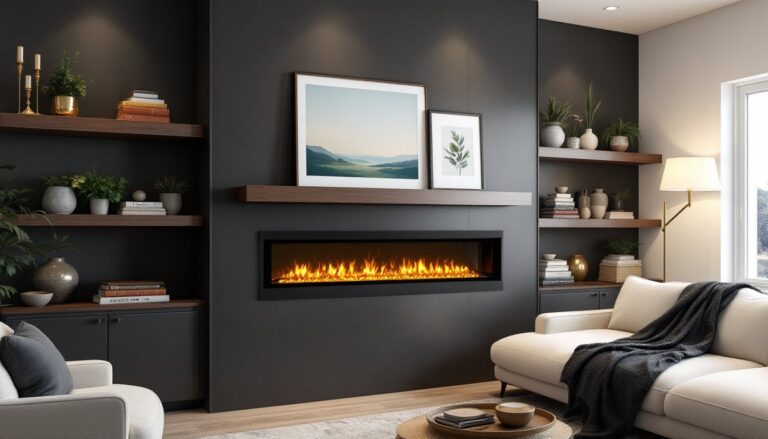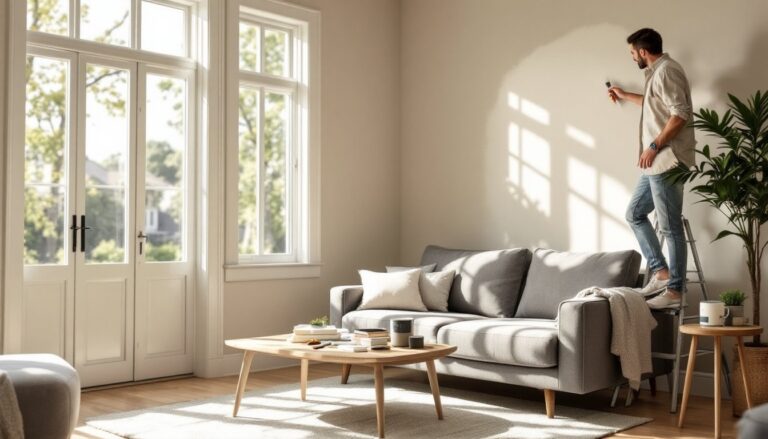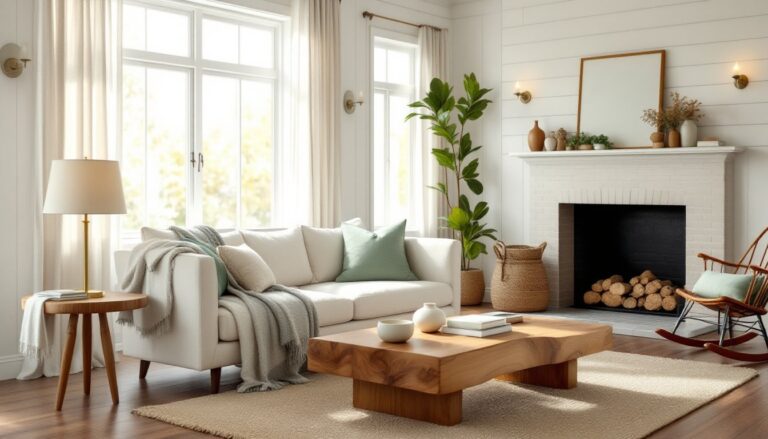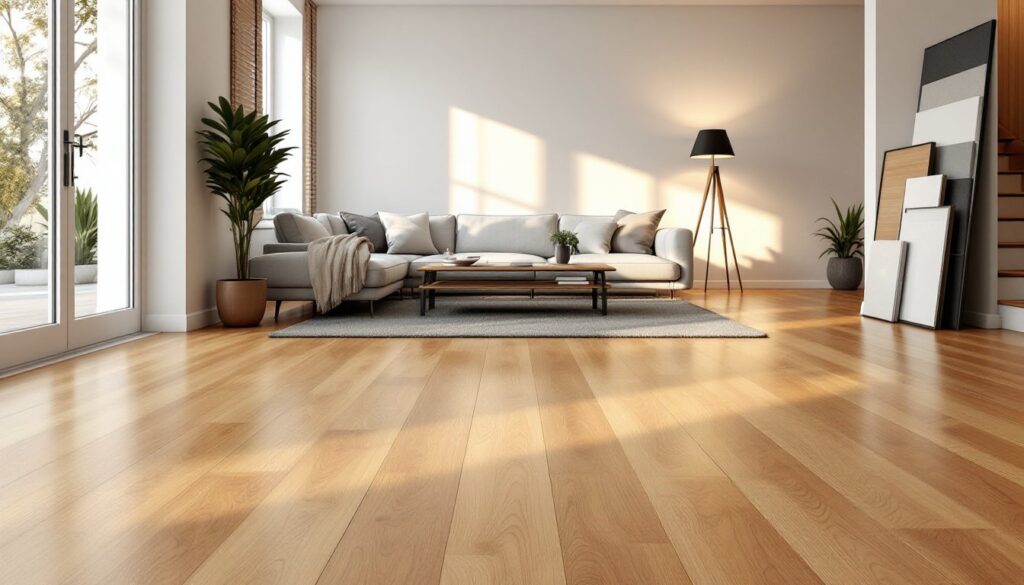
Your living room floor is the foundation of the entire space, literally and visually. It sets the tone for comfort, durability, and style, whether you’re hosting family game nights or settling in for a quiet weekend. With so many flooring options available today, choosing the right material can feel overwhelming. From classic hardwood to budget-friendly vinyl, each choice comes with trade-offs in cost, maintenance, and aesthetics. This guide walks you through eight popular living room floor ideas, breaking down what each material delivers and helping you find the right fit for your home and lifestyle.
Table of Contents
ToggleKey Takeaways
- Hardwood flooring offers timeless elegance and can last 25-30 years with proper maintenance, but requires professional installation and regular refinishing every 7-10 years.
- Luxury Vinyl Plank (LVP) is a waterproof, budget-friendly option costing $2-8 per square foot installed, making it ideal for homes with pets, kids, or moisture concerns.
- Engineered wood provides authentic hardwood aesthetics at 30-50% lower cost while resisting humidity fluctuations better than solid hardwood.
- Living room floor choices should prioritize traffic patterns and lifestyle needs—high-traffic homes benefit from durable, easy-clean surfaces like LVP or laminate.
- Test flooring samples in your actual living space under natural and artificial lighting, as colors shift dramatically and influence the entire room’s design scheme.
- Mix materials between rooms for practical and visually interesting results—hardwood in living areas, tile in entryways—rather than using one flooring type throughout.
Hardwood Flooring: Timeless Elegance and Durability
Solid hardwood remains the gold standard for living rooms. It’s beautiful, adds resale value, and can last 25 to 30 years or longer with proper care. Species like oak, maple, and walnut each bring distinct grain patterns and color profiles. Oak is forgiving and affordable: walnut is darker and more luxurious.
Hardwood comes in two main grades: select (fewer knots and grain variation) and common (more character and lower cost). Plank widths typically range from 2.25 inches to 5 inches, with wider planks looking more contemporary.
The catch? Hardwood requires professional installation, costs $8 to $15 per square foot (materials only), and needs regular refinishing every 7 to 10 years. It’s susceptible to moisture damage in basements and kitchens, and pet claws leave visible marks. If you’re comfortable with maintenance and won’t subject it to constant wetness, hardwood is an investment that pays dividends in durability and timeless appeal.
Luxury Vinyl Plank: Affordable Style Meets Practicality
Luxury Vinyl Plank (LVP) has transformed the budget flooring landscape. It mimics the look of hardwood or stone remarkably well, costs $2 to $8 per square foot installed, and is waterproof, a game-changer for homes with pets, kids, or moisture concerns.
LVP is click-and-lock engineered vinyl that clicks together without adhesive, making DIY installation feasible for patient homeowners. Thicker planks (4mm to 6mm) feel more substantial underfoot and resist dents better than thin budget options. Brands vary widely in wear layer thickness and realism: higher-end LVP looks nearly identical to hardwood.
The downside: it doesn’t add resale value like hardwood, can off-gas odors initially, and some cheap versions feel plasticky underfoot. It’s not as repairable as hardwood, if a plank gets damaged, you replace the whole board, not just sand and refinish. For a living room that sees moderate to heavy traffic or where you want foolproof maintenance, LVP strikes a practical balance.
Engineered Wood: The Budget-Friendly Alternative
Engineered wood looks and feels like hardwood but costs less and resists moisture better. It’s a veneer of real hardwood glued to a plywood base, making it stable in fluctuating humidity.
Thickness varies: veneer is typically 1mm to 4mm thick, backed by 6mm to 9mm plywood. Thicker veneers are more repairable by sanding, though deep scratches may go through to the base. Engineered wood costs $3 to $10 per square foot installed and can be nailed down, glued, or floated (click-together) depending on the product.
Engineered wood works well in living rooms with variable humidity or in homes with basement living spaces. It’s not as durable as solid hardwood (the veneer can wear through with refinishing), but it’s tougher than LVP when it comes to impact damage. If you want the authentic wood look without solid hardwood’s moisture sensitivity or cost, engineered wood delivers. Many homeowners pair it with living room rugs to add warmth and reduce foot traffic wear.
Tile and Stone: Bold Patterns and Easy Maintenance
Ceramic, porcelain, and natural stone tiles bring durability and design flexibility to living rooms. Porcelain is harder than ceramic, more water-resistant, and better for high-traffic areas. Natural stone (slate, limestone, granite) adds luxury but requires sealing and is porous.
Tile ranges from $2 to $20+ per square foot depending on material and finish. Large-format tiles (12×24 inches or bigger) create a seamless, modern look with fewer grout lines to clean. Matte finishes hide dust better than glossy ones.
The trade-off: grout lines trap dirt, and tile is cold underfoot unless you install radiant heating. Stone is softer than porcelain and stains more easily. Tile installation requires a professional unless you’re experienced, and substrate prep is critical, a weak base leads to cracking. For a living room, tile works best if you layer it with living room rugs for comfort and warmth. Patterns and colors are virtually limitless, making tile ideal if you want bold design impact.
Laminate Flooring: Durability Without Breaking the Bank
Laminate is a photo layer of wood or stone fused to a core of high-density fiberboard. It’s durable, affordable ($1 to $5 per square foot), scratch-resistant, and available in hundreds of designs.
Different from LVP, laminate is not waterproof, water seeping through joints can cause swelling and delamination. Laminate is better suited for dry living rooms, not kitchens or bathrooms. It’s harder and more scratch-resistant than vinyl but can’t be refinished: damaged planks must be replaced.
Quality varies by thickness and core density. Look for 10mm thickness minimum and a rated AC wear layer (AC3 or AC4 for residential use). Installation is DIY-friendly with click-and-lock systems. Laminate won’t increase home value and won’t last as long as hardwood, but it’s a practical choice for moderate budgets and moderate-traffic living rooms where moisture isn’t a concern. When paired with proper underlayment and living room paint colors that complement warm or cool tones, laminate can look polished and contemporary.
Design Tips for Choosing the Right Living Room Floor
Start by assessing traffic patterns and lifestyle. High-traffic homes, pet owners, and families with young kids benefit from forgiving, easy-clean surfaces like LVP or laminate. If durability and longevity matter most, hardwood or high-end porcelain tile justify the upfront cost.
Color and grain affect the whole room’s feel. Light floors open up tight spaces: dark floors add drama but show dust. Wide-plank looks modern: narrow traditional. Neutral tones are safe: bold patterns demand complementary walls and decor.
Moisture is critical: basements, kitchens, and bathrooms need waterproof or moisture-resistant materials. Don’t install solid hardwood below grade. Consider professional installation for anything structural, hardwood, tile, and stone. Budget roughly 10% extra for waste and unforeseen subfloor issues.
Finally, test samples in your actual lighting. Colors shift dramatically under natural light versus artificial. Many suppliers let you take samples home for a few days. Modern living rooms often blend styles, mixing materials between rooms (hardwood in the living room, tile in the entry) is both practical and visually interesting. Resources like House Beautiful and Domino showcase how different flooring choices anchor design schemes across various home styles.
Conclusion
Choosing a living room floor is a balance between budget, durability, maintenance, and aesthetics. Hardwood offers timeless beauty and resale value: LVP delivers affordability and waterproofing: engineered wood splits the difference: tile provides endless design options: and laminate rounds out the budget-conscious lineup. There’s no universally “best” choice, only the right choice for your home, habits, and goals. Measure twice, sample in your space, and don’t rush the decision. A well-chosen floor becomes invisible in the best way: it just works.