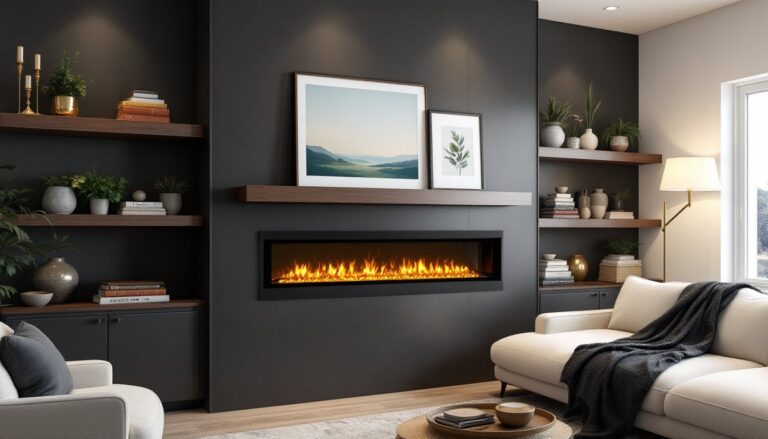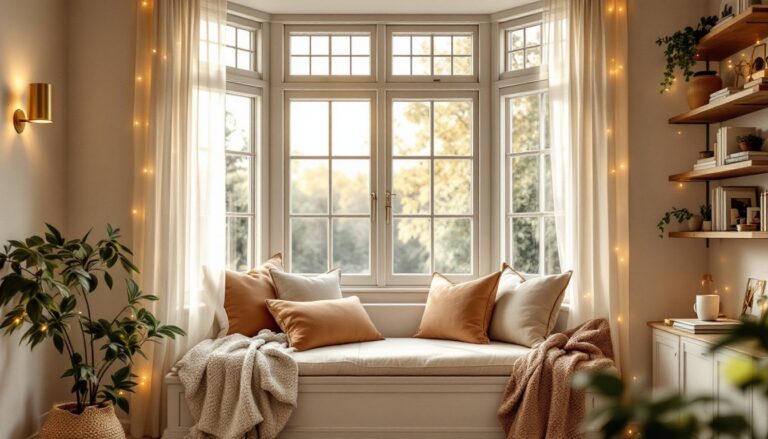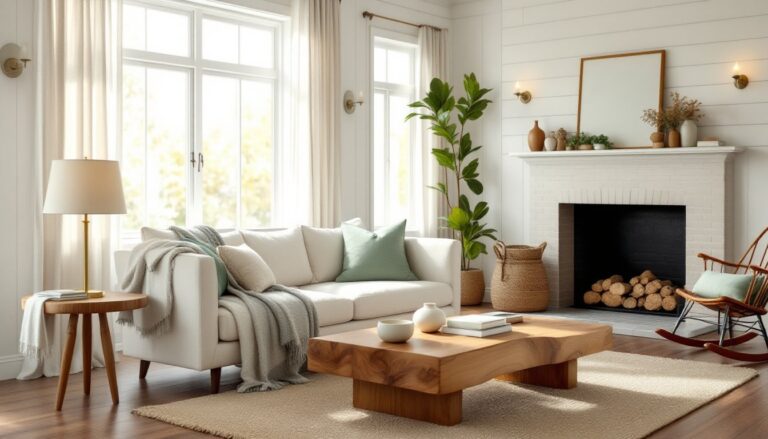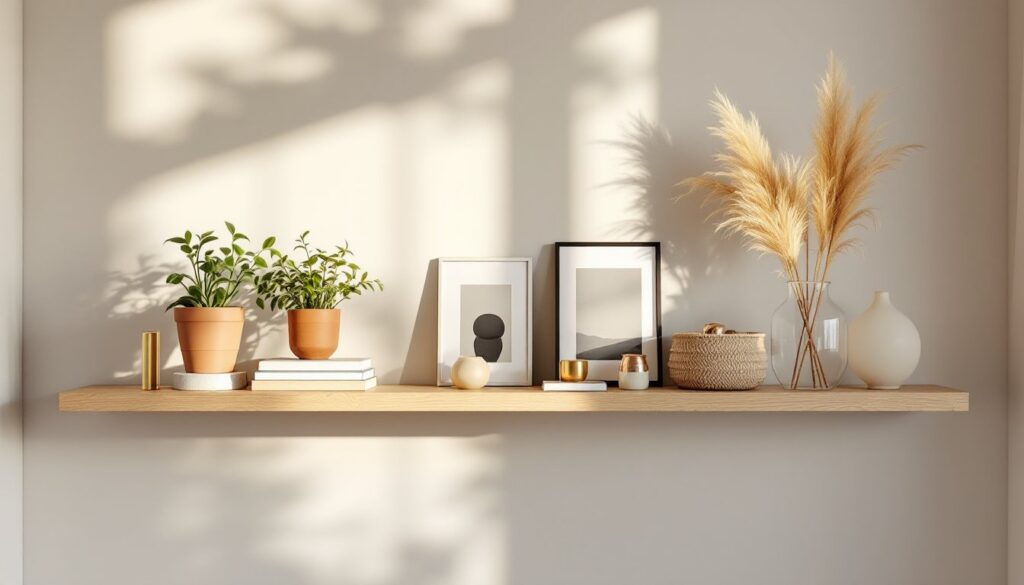
Wall shelves are one of the most practical and underutilized tools in home decor. A well-styled shelf doesn’t just hold items, it tells a story, adds visual depth, and solves storage challenges all at once. Whether you’re working with a single floating shelf or a series of built-ins, the key to great wall shelf decor is knowing how to balance aesthetics with function. In this guide, we’ll walk through seven proven strategies for styling your living room wall shelves so they look intentional, organized, and genuinely inviting rather than cluttered or sterile.
Table of Contents
ToggleKey Takeaways
- Living room wall shelf decor combines aesthetics with function by balancing decorative objects with practical storage using baskets, boxes, and containers in natural materials.
- Create visual interest through intentional height variation, mixed materials (wood, metal, glass), and strategic spacing of 2-3 inches between grouped items and 6-8 inches of empty shelf space.
- A gallery wall display on shelves works best with a unified theme, matching frame colors, and layered frames at varying depths to add dimension without clutter.
- Incorporate plants and natural textures like succulents, trailing philodendrons, driftwood, and dried botanicals grouped in odd numbers to bring freshness and warmth to your shelves.
- Apply the rule of three by grouping objects of varying heights and scale, ensuring the largest item takes up roughly one-third of shelf space to maintain visual balance.
- Resist the urge to fill every inch of space; empty space prevents overwhelming the eye and makes your living room feel calm, curated, and intentionally styled rather than cluttered.
Create a Gallery Wall Display
A gallery wall on shelves is a modern way to display art, photos, and meaningful objects without committing to permanent wall mounting. Start by choosing a unifying theme, maybe all black-and-white photographs, a mix of framed prints in matching frame colors, or personal family photos.
Arrange frames directly on the shelf surface in a deliberate pattern. You can go linear (frames in a straight row), stacked (smaller frames clustered above larger ones), or asymmetrical (a more organic, curated look). The key is intentionality: every frame should have a reason for being there, not just fill empty space.
Mix frame sizes and matting styles to create rhythm. A classic approach is using 4×6 and 5×7 frames alternated, with some shallow boxes for 3D objects like pressed flowers or fabric swatches. Keep the color palette tight, stick to two or three dominant colors across all frames to avoid visual chaos.
Propped books and small shelving risers can elevate some frames slightly, adding depth without looking haphazard. This layering technique works especially well on deeper shelves (at least 10 inches). Wall Lights for Living can highlight your gallery wall in the evenings, making the frames and photos really pop.
Mix Functional and Decorative Storage
The best-looking shelves serve double duty. Baskets, small decorative boxes, and open containers hold the items you actually use while looking intentional, not cluttered.
Choose storage containers in natural materials, woven seagrass, rattan, or linen boxes, that complement your living room’s overall palette. These containers visually corral small items and give the eye a place to rest. Aim for at least one storage piece per shelf to anchor the arrangement.
Above or beside your storage, place decorative objects: a sculptural book, a small plant, a candle, or a ceramic piece. The rule of three works here, grouping three items of varying heights creates a pleasing visual composition without looking sparse.
Label your baskets subtly, using small brass label holders or handwritten tags if you want to remember what’s stored inside. This approach is common in spaces focused on space-saving solutions, where every object must earn its place. Leave some open shelf space, though, empty space is not wasted space: it prevents overwhelming the eye and makes the room feel calm and curated.
Incorporate Plants and Natural Elements
Living elements immediately soften shelves and bring freshness to a room. Potted plants don’t need to be large or high-maintenance, small succulents, pothos, or trailing philodendrons work beautifully on shelves and tolerate lower light conditions.
Cluster plants in odd numbers (three or five) and vary their heights using small plant stands or risers. A trailing plant cascading over the shelf edge creates visual movement and breaks up hard lines. Choose pots that coordinate with your shelf color and decor style, matte ceramic, concrete, or terracotta all read differently.
Beyond live plants, add other natural textures: driftwood pieces, smooth stones, pressed botanicals in frames, or dried pampas grass in a slim vase. These elements add warmth without requiring watering and bring an earthy, grounded feeling to interior ideas that can feel overly styled.
Group all your plants toward one end of the shelf or create a small “plant corner” with several pieces together. This focal point is more visually striking than spreading them out, and it’s easier to water them when they’re grouped. Always use saucers under pots to protect shelf surfaces from moisture damage.
Layer Textures and Materials for Visual Interest
Combine Wood, Metal, and Glass
Visual interest comes from contrasting materials, not from overcrowding. If your shelf is solid wood, add items with metallic accents (a brass bookend, a copper plant pot, a steel sculpture). If the shelf is metal, introduce warm wood tones and soft fabrics.
Glass or transparent containers (like acrylic or lucite boxes) break up solid forms and let the eye travel through the arrangement. A clear glass vase filled with decorative branches or a frosted glass candle holder adds sophistication without weight.
Stack books spine-in or spine-out (spine-out makes color more prominent: spine-in looks more refined) and lean them against bookends in a different material. A single marble bookend next to wooden shelves, or sleek metal bookends beside ceramic objects, creates micro-contrasts that keep the eye engaged.
Fabric adds softness, a folded linen throw, a small fabric box, or a macramé wall hanging hung behind the shelf introduces warmth and texture. Layering textures doesn’t mean every shelf is a free-for-all: it means each shelf has a dominant material (wood, metal, ceramic) with one or two accent materials for visual relief.
Consider your living room paint colors when choosing materials, warm metals (brass, copper) work best with warm wall tones, while cool metals (chrome, stainless steel) pair better with cool grays and blues.
Balance Height, Scale, and Spacing
One of the biggest mistakes in shelf styling is treating every shelf as independent. Instead, think of all your shelves as a unified composition.
Vary the height of objects as you move across each shelf and from shelf to shelf. Nothing should be the same height on a single shelf, and you shouldn’t repeat the same height arrangement on adjacent shelves. Tall objects (a framed print standing upright, a sculptural vase) should be balanced by lower, wider items (a stack of books, a shallow tray).
Scale matters: oversized objects look impressive but can dominate a shelf, leaving no visual room for anything else. Aim for a mix where the largest item takes up maybe one-third of the shelf’s visual space, with medium and smaller objects filling the rest. A single large plant pot surrounded by four smaller accessories reads better than four medium-sized items crammed together.
Spacing is crucial. Don’t push everything to the back of the shelf or cram items together. Leave breathing room, roughly 2-3 inches between grouped items and 6-8 inches of empty shelf space per shelf. This spacing lets each object be seen clearly and prevents the shelf from looking chaotic. The goal is that viewers’ eyes move naturally around the arrangement, not jump from object to object in confusion.
Mirrors and reflective surfaces create the illusion of more space and bounce light, making shelves feel less heavy. A small mirror leaned against the back of a shelf works better than centered objects and adds dimension without taking up floor space.
Conclusion
Styled wall shelves transform a living room from blank canvas to curated space. The real magic happens when you balance function with beauty, resist the urge to fill every inch, and give each object a reason to be there. Whether your style leans toward cottage style living rooms or contemporary minimalism, these principles work across any aesthetic. Start with one shelf, apply one or two of these strategies, and watch how a small investment in styling pays dividends in how your living room actually feels.