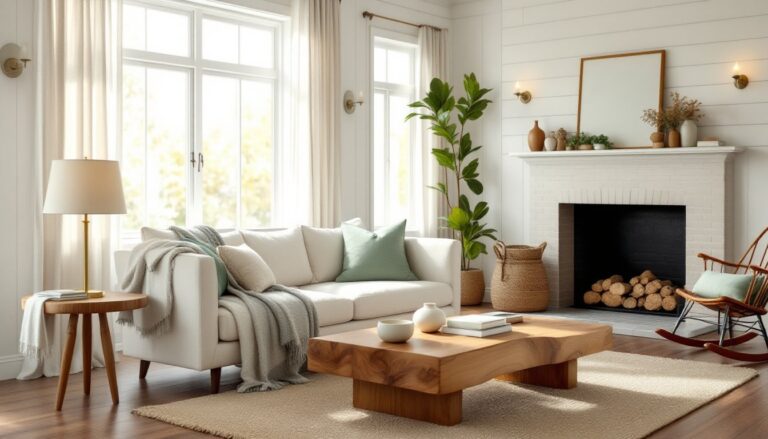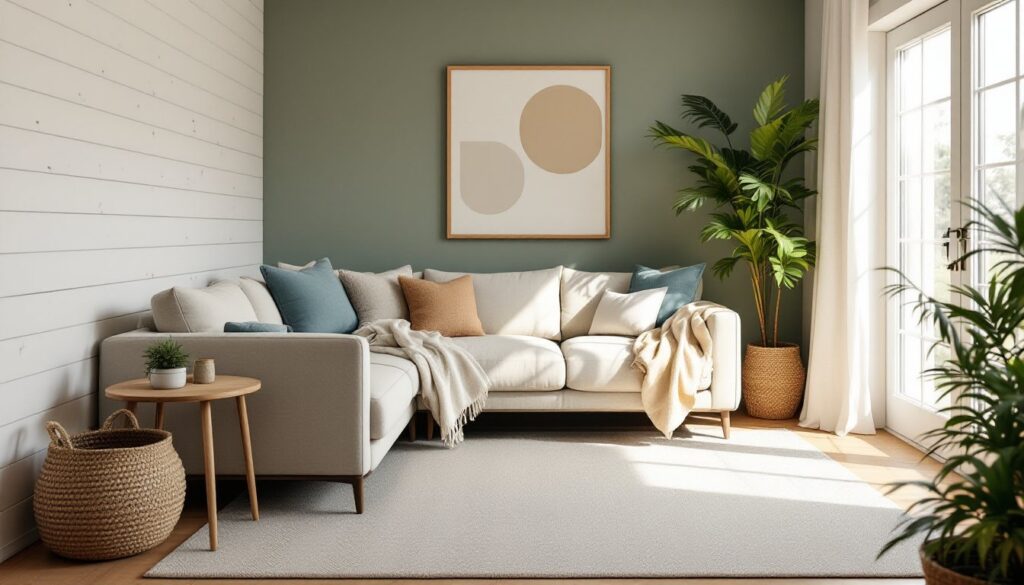
A well-chosen rug does more than anchor your furniture, it sets the entire tone of your living room. Modern farmhouse rugs have become the go-to choice for homeowners seeking that perfect blend of rustic warmth and contemporary clean lines. Whether you’re working with exposed beams, shiplap walls, or simply want to bring farmhouse charm into a more traditional space, the right rug ties everything together. In 2026, modern farmhouse design continues to favor neutral tones, natural fibers, and understated patterns that work with, not against, the rest of your décor. This guide walks you through selecting, sizing, and styling a modern farmhouse rug that feels right for your home.
Table of Contents
ToggleKey Takeaways
- Modern farmhouse rugs combine rustic warmth with contemporary clean lines, featuring neutral tones, natural fibers, and understated patterns that work across multiple design styles.
- Proper sizing is critical—aim for at least the front legs of your sofa to sit on the rug; standard modern farmhouse living room rugs range from 8′ × 10′ to 9′ × 12′ depending on your space.
- Wool is the gold standard material for durability and character, lasting 10–15 years with routine care, while wool-cotton blends offer a practical middle ground for busy households.
- Balance your rug’s color with surrounding elements, using it as the ‘fifth wall’ to control light, mood, and spatial perception in your living room.
- Invest in quality over price alone—a $600 wool rug that lasts 15 years is more cost-effective than a budget synthetic option that deteriorates within 3–5 years.
- Layer rugs and coordinate colors with throw pillows and artwork to create visual continuity, and ensure furniture placement feels intentional by anchoring pieces firmly on the rug.
What Defines Modern Farmhouse Style in Rugs
Modern farmhouse rugs strip away the floral excess and decorative fussiness of traditional farmhouse décor in favor of simpler, more sophisticated designs. Think clean geometry, muted colors, and honest materials, wool, jute, cotton blends, rather than anything overly ornate. The aesthetic balances rustic roots with contemporary minimalism: a rug might have a subtle striped or herringbone pattern instead of busy florals, or lean toward solid neutrals with textural interest from weave alone.
What makes these rugs “modern” is their restraint. A true modern farmhouse rug won’t scream country: instead, it whispers it. You’ll see subtle color shifts, understated geometric motifs, or natural fibers celebrated for their honest imperfections. This approach means your rug works across multiple design styles, it complements living room paint colors without demanding they match a specific palette.
Key Color Palettes and Patterns
The modern farmhouse color palette centers on soft, grounded tones: cream, oatmeal, greige (gray-beige blend), warm whites, and soft grays. Accents appear in muted blues, sage green, terracotta, or charcoal, colors that feel natural, not artificial. Patterns stay restrained: subtle plaids, small-scale checks, simple stripes, or tone-on-tone textures. Avoid anything with loud color contrasts or busy repeating motifs: modern farmhouse favors calm over statement-making.
Woven patterns like herringbone and flat weaves are hallmarks of the style. Hand-knotted rugs with slight irregularities actually enhance authenticity, those tiny variations signal real craftsmanship rather than factory perfection. If you opt for a printed design, choose one with a faded, aged quality, as if the colors have naturally mellowed over time.
How to Choose the Right Size and Shape
Rug sizing is where many DIYers stumble. Too small, and your living room feels fragmented: too large, and furniture floats awkwardly. The rule isn’t rigid, it’s visual. For a living room, aim for a rug large enough that at least the front legs of your sofa and seating pieces sit on it. This anchors the conversation area and defines the space.
Standard modern farmhouse living room rugs range from 8′ × 10′ to 9′ × 12′, though dimensions depend entirely on room size and furniture layout. Measure your living room, note where your sofa and primary seating will go, and imagine the rug beneath them. A helpful trick: use painter’s tape on the floor to outline potential rug dimensions and live with that for a day before buying. It sounds fussy, but it prevents expensive mistakes.
Shape matters, too. Rectangular rugs dominate modern farmhouse spaces, but don’t dismiss round or octagonal options if your room layout suits them. Round rugs work beautifully in smaller seating nooks: rectangular ones define larger zones and pair naturally with standard furniture.
Creating Visual Balance in Your Living Room
Your rug’s color and size should balance the visual weight of surrounding elements. A darker rug anchors a bright, airy room with lots of white walls: a lighter rug prevents a dark-toned room from feeling cave-like. Think of the rug as the “fifth wall”, it reflects and influences light, mood, and spatial perception.
Consider furniture arrangement. If your seating is symmetrical and formal, a centered rectangular rug reinforces that order. If your layout feels asymmetrical or relaxed, an off-center rug or slightly irregular placement works with cottage style living rooms or eclectic spaces. The rug doesn’t have to be perfectly centered to feel intentional, sometimes the most modern look is a confident, deliberate offset.
Top Material Options for Durability and Comfort
Modern farmhouse rugs come in several time-tested materials, each with trade-offs in durability, maintenance, and feel.
Wool is the gold standard for living room rugs. It’s naturally resilient, resists staining better than synthetics, and develops a soft patina with age, that’s not wear, that’s character. A quality wool rug can last 10–15 years with routine care. The downside? Wool costs more upfront and requires gentle cleaning. For households with kids or pets, wool’s performance justifies the investment.
Jute and sisal (natural plant fibers) capture authentic farmhouse texture and breathe naturally, but they’re less forgiving. They stain easily, can’t handle moisture well, and shed in the first few months. These work best as layering pieces under a smaller rug or in lower-traffic zones.
Wool-cotton blends offer a middle path: durability closer to pure wool with slightly lower cost and easier maintenance. These are practical choices for busy households.
Synthetics (polypropylene, polyester) are budget-friendly, stain-resistant, and low-maintenance, but they lack the depth and longevity of natural fibers. They’re prone to crushing and matting in high-traffic areas. If budget is tight and you’re renting, synthetics make sense: for a long-term investment, natural fibers perform better.
Forget the myth that natural fiber rugs work only in formal spaces. Modern farmhouse is all about livability. Choose materials that can handle your actual lifestyle, which often means wool or a quality blend. A rug that’s too delicate to enjoy defeats the purpose. Pair your chosen rug with proper underlayment (a non-slip rug pad prevents slipping and protects your flooring) and routine vacuuming to extend life significantly.
Styling Tips to Elevate Your Living Room Design
A modern farmhouse rug is a foundation, not a statement piece. Once it’s down, the room’s other elements need to harmonize with its tone.
Color coordination comes first. Your rug’s palette should echo or complement your walls and furniture, not clash. If you’ve chosen a cream rug with subtle blue undertones, carry those blues into throw pillows, artwork, or wall lights for living rooms. This creates visual continuity without feeling overly matchy.
Layering adds depth. A modern farmhouse aesthetic welcomes layered rugs, a smaller patterned rug over a larger neutral one, for instance. This technique adds visual interest and defines specific zones within an open room. It’s especially effective if you love pattern but want to keep things balanced.
Furniture placement should feel intentional. Don’t float pieces randomly: let the rug anchor them. Your sofa’s front legs should rest firmly on the rug: side tables should partially sit on it, too. This psychology of grounding makes a room feel designed, not accidentally arranged.
Accessory choices matter. Throw blankets, pillows, and artwork should respect the rug’s restrained aesthetic. Mixing patterns is fine, modern farmhouse actually encourages it, but choose patterns of different scales (a small-check pillow with a larger stripe, for example) and stick to your color palette. Designs found on MyDomaine and Domino showcase how to layer patterns without chaos.
Budget-Friendly and Premium Options
Modern farmhouse rugs span a wide price range. Understanding what you’re paying for helps you make smart choices.
Budget options ($150–$400) typically use synthetic materials or cheaper wool blends. Retailers like Wayfair, Overstock, and big-box stores offer decent-looking rugs at accessible prices. These work fine for rental situations or if you’re still experimenting with your style. Expect the rug to show wear within 3–5 years of regular use.
Mid-range options ($400–$1,000) usually include quality wool blends, thoughtful construction, and designs from emerging brands or established retailers. This is where you’ll find rugs that look good and last 7–10 years. Many of the best modern farmhouse rugs sit in this tier. Country Living often features brands in this range.
Premium options ($1,000+) feature hand-knotted wool, artisanal construction, or sustainable sourcing. These are investment pieces. A handmade wool rug can last 20+ years and actually improve with age. If you’re staying in your home long-term, the per-year cost justifies the upfront spend.
Before buying, check return policies, read reviews mentioning durability over time, and ask about cleaning recommendations. A $300 synthetic rug you hate in six months is a worse investment than a $600 wool rug you love for fifteen years. Factor longevity into your budget calculation, not just the sticker price.