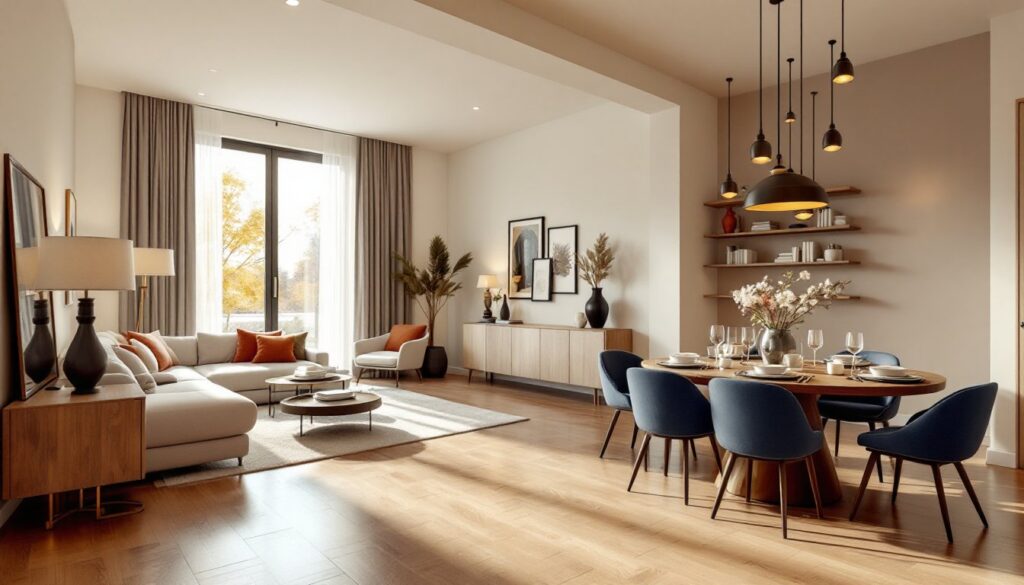
Open concept living is no longer just a trend, it’s become the default for modern homes. Knocking down the wall between the living room and dining room creates flow, light, and a sense of spaciousness that cramped, compartmentalized layouts just can’t match. But here’s the catch: without walls, these spaces can feel undefined, chaotic, or worse, like they’re competing for attention. The good news is that you don’t need structural walls to define separate zones. Strategic furniture placement, color choices, lighting, and smart storage can carve out distinct functional areas while keeping that open, airy feel homeowners crave.
Table of Contents
ToggleKey Takeaways
- Open concept living room and dining room designs benefit from strategic furniture placement, including floating pieces and anchoring focal points, which create invisible boundaries without blocking sightlines.
- Layered, zone-specific lighting with pendant clusters over dining tables and wall sconces in living areas is essential to prevent merged spaces and enhance functionality.
- Color variations within a cohesive palette and flooring transitions—such as wood in the living room paired with tile in the dining area—create visual separation while maintaining flow.
- Large area rugs under seating and dining furniture anchor each zone and naturally guide traffic patterns, making zoning feel intentional and visually distinct.
- Vertical storage solutions like tall bookcases, credenzas, and closed cabinetry minimize visual clutter in open concept spaces while keeping the design breathable and intentional.
Define Spaces Without Walls Using Strategic Furniture Placement
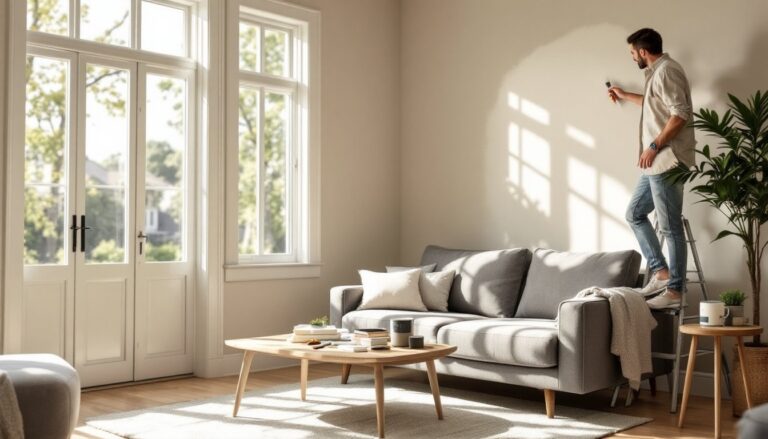
The simplest way to separate a living room from a dining room in an open concept is through furniture arrangement. This isn’t about pushing everything to the perimeter: it’s about creating invisible boundaries that your eye reads as separate zones.
Start by anchoring each area with a focal point. In the living room, that’s typically a sofa or media console. In the dining area, it’s the table itself. Position these pieces to face each other or at slight angles, never parallel with nothing between them. A low bookshelf, console table, or storage bench can act as a subtle divider without blocking sightlines. These pieces create a psychological threshold that tells visitors: this is the living zone, and over there is dining.
Floating furniture rather than pushing it against walls also reinforces separation. A sofa floating in the middle of the living room with its back to the dining space naturally defines the living area. Pair it with an accent chair and a low coffee table, keep coffee tables shorter than sofa arm height to maintain visual openness. In the dining area, pull the table a few feet away from any wall and surround it with chairs, creating its own contained footprint.
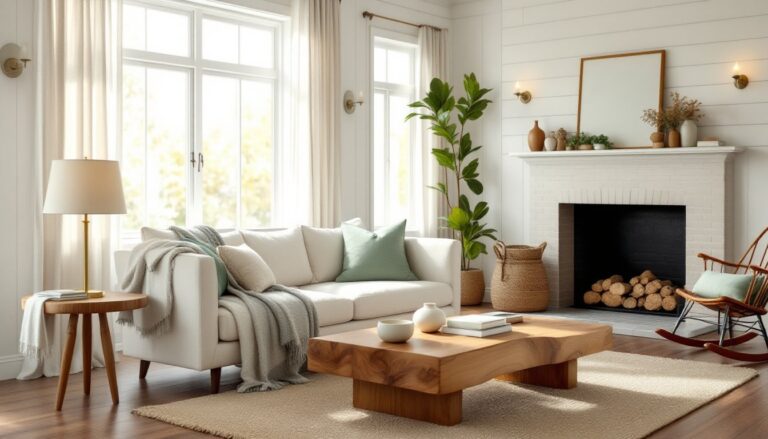
Rugs are your unsung heroes here. A large area rug under the sofa and coffee table anchors the living room: a separate rug under or around the dining table does the same for the dining zone. Choose rugs in complementary colors or textures so they don’t clash, but keep them distinct enough that the eye registers two separate spaces. Rugs also define traffic patterns, people naturally walk around them, which subtly reinforces the zones.
Use Color and Flooring to Create Visual Separation
Color and flooring are powerful tools for delineating spaces without erecting drywall. They work on a visual level that feels intuitive to anyone in the room, no explanation needed.
Zoning With Color Palettes
You don’t need clashing paint colors to make zones work. Instead, use variations within a cohesive palette. If your base color is a warm neutral (think creamy white or soft greige), the living room might stay lighter, while the dining area leans into a deeper tone or a subtle accent wall. A muted sage, dusty blue, or warm taupe in the dining zone feels intentional without jarring against the lighter living room. The transition happens gradually, reinforcing the flow while keeping things visually tethered.
Alternatively, keep walls the same color but shift accent colors through accessories, artwork, and textiles. The living room might feature warm terracotta and rust tones in pillows and throws, while the dining area picks up cooler grays and navy in chair upholstery and artwork. Living Room Paint Colors offer strategies for pulling this off without the commitment of repainting. Consider also that Interior Ideas websites like Homedit often showcase how subtle color shifts create zone definition in open concepts.
Flooring Transitions as Natural Dividers
If you’re replacing flooring, a transition between materials is the gold standard for defining zones. Wood flooring in the living room with tile or stone in the dining area works beautifully, it’s practical (easier to clean spills in the dining zone) and visually distinct. A threshold, metal edge trim, or a clean grout line marks the boundary without a wall.
If full flooring replacement isn’t in the budget, an area rug in the dining zone works just as well. Layer a smaller rug under the dining table on top of your main flooring. This creates depth, defines the dining area, and is easy to swap out if you want a seasonal change. The rug’s edge becomes the visual boundary between spaces. Make sure the rug is large enough that all four chair legs land on it when seated, this prevents the chairs from rolling onto bare floor and keeps the look intentional.
Lighting Design for Two Functional Spaces
Lighting is where many open concept designs fall apart. If one overhead fixture illuminates both zones equally, they feel merged rather than distinct. You need layered, zone-specific lighting.
Start with overhead light. A pendant cluster or chandelier centered over the dining table creates a dedicated pool of light in that zone. In the living room, skip a central fixture and instead use a combination of wall lights for living rooms (sconces flanking a media console or bookshelf), table lamps on side tables, and floor lamps in corners. This layered approach gives the living room ambient and task lighting without broadcasting one central overhead fixture.
Dimmer switches are essential. They let you adjust light levels independently in each zone depending on the time of day and activity. Bright light for dining and prep, softer ambiance for relaxing. Dimmers also save energy and extend bulb life, so you’re not just gaining flexibility, you’re being practical.
Consider the color temperature of your bulbs too. Warm white (2700K) bulbs in the living room create coziness: neutral white (3000K–4000K) in the dining area supports conversation and food presentation. If you’re mixing bulbs, this subtle shift reinforces the zone distinction. Task lighting, a reading lamp by the sofa, a focused pendant over a bar cart, further differentiates how each space functions. Lighting design shows people exactly what each zone is for, and they’ll use the spaces accordingly.
Storage Solutions That Minimize Visual Clutter
Open concept works only if clutter is managed ruthlessly. Without walls to hide mess, every item is visible, so storage must be intentional and integral to the design.
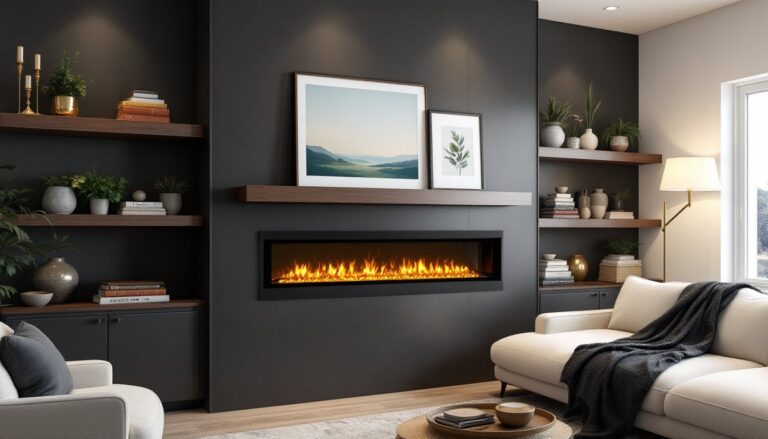
In the living room, low credenzas or sideboards replace traditional wall units. These pieces provide closed storage (keeping remotes, blankets, and magazines out of sight) while keeping the visual landscape open above them. A credenza under a mirror or gallery wall feels designed rather than purely functional. In the dining area, a buffet or china cabinet serves the same purpose, storing table linens, dishware, and serving pieces while anchoring the space.
Built-in shelving works if your budget and walls allow it. Floating shelves in an alcove or along one wall of the living room or dining area break up blank space and provide display and storage. Keep shelves half-styled (books, a few decorative objects) and half-empty to avoid the cluttered feeling that kills open concept flow.
Use vertical storage to maximize impact while minimizing floor footprint. Tall, slim bookcases or shelving units pull the eye upward and don’t block sightlines the way wider, squat pieces do. In a living room corner or dining room corner, a tall narrow cabinet stores items without eating up table space or blocking views between zones.
Baskets under console tables, ottomans with hidden storage, and closed cabinets with doors all contribute to the visual calm that makes open concept feel intentional rather than accidental. The rule of thumb: if it’s exposed, it should be either beautiful or functional enough to justify its presence. Everything else goes behind closed doors or inside a drawer. This discipline keeps the space breathing.
Conclusion
Open concept living doesn’t mean sacrificing definition or comfort. By layering furniture placement, color, flooring, lighting, and storage, you create two distinct functional spaces that feel like a single, cohesive home. The key is intention, every choice should serve both the aesthetics and the daily life happening in those zones. Start with one or two of these strategies, then build from there. Your open concept will feel less like an accident and more like a thoughtfully designed home.