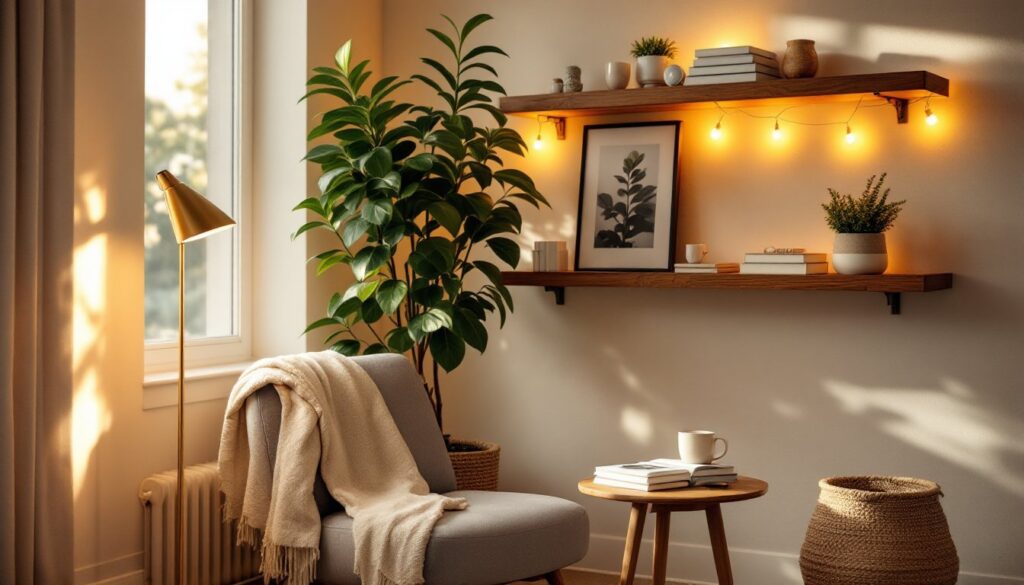
Living room corners are often overlooked, tucked behind doors, shadowed by furniture, or simply forgotten. Yet they’re prime real estate for adding functionality and personality to your space. The right living room corner decor can transform an awkward void into a focal point, whether you’re filling it with storage, creating a retreat, or simply introducing better lighting. This guide walks you through practical, achievable ideas that work in 2026, no matter your style or square footage.
Table of Contents
ToggleKey Takeaways
- Living room corner decor transforms overlooked spaces into functional focal points by matching design to your lifestyle, whether through reading nooks, plant displays, or floating shelves.
- A cozy reading nook requires just three elements: a comfortable accent chair (30–36 inches wide), warm-white dimmable lighting at 60–66 inches, and a side table—creating an intentional retreat without overthinking.
- Tall plants or sculptural pieces draw the eye upward and add vertical interest, while faux plants work perfectly in dark corners and require zero maintenance.
- Floating shelves provide practical storage and display in tight corners when installed 12–18 inches apart into wall studs, styled with a 50% display and 50% breathing room ratio.
- Warm white lighting (2700–3000K) is the cheapest way to brighten a corner and define the space, whether through pendant fixtures, clip lights, or subtle string lights.
- Start with your corner’s light, size, and actual use before choosing decor—the best living room corner solution fits your lifestyle, not just a photograph.
Why Living Room Corners Matter
A corner isn’t just empty space, it’s an opportunity. Most living rooms have at least one dead corner that either collects dust or becomes a catch-all for clutter. When you intentionally design that space, you maximize your room’s layout without sacrificing square footage.
Corners also break up flat walls. Instead of a bland expanse, they invite the eye to move around the room. This makes smaller spaces feel larger and larger spaces feel more intentional. Whether your corner gets natural light or sits in shadow, whether it’s a tight squeeze or generous alcove, there’s a decor solution that fits.
The key is matching the function to your lifestyle. A reading nook works in a quiet corner near a window: a plant display works in a dim corner if you choose shade-tolerant species: floating shelves work almost anywhere if you plan the depth right.
Create a Cozy Reading Nook
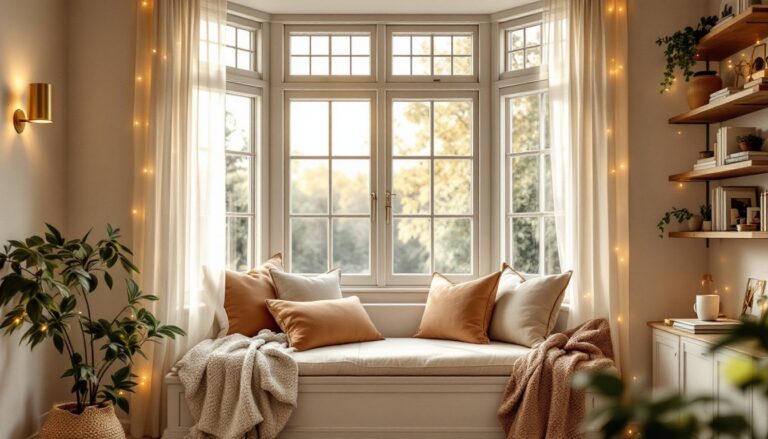
A corner reading nook is one of the most functional and visually appealing uses for otherwise wasted space. The formula is simple: a comfortable chair, good lighting, and a small side table.
Start by measuring your corner. A standard accent chair (roughly 30–36 inches wide) fits most corners without crowding. If space is tight, a smaller papasan chair or even a cushioned floor pouf with a backrest works. Position the chair to face into the room slightly rather than directly into the corner, this feels less like you’re hiding and more like you’re tucked into a retreat.
Lighting is non-negotiable. A floor lamp with a dimmable bulb (preferably warm white, 2700K color temperature) sits beside the chair and lets you adjust brightness without disturbing the rest of the room. If you can’t fit a floor lamp, wall lights for living rooms mounted at 60–66 inches above the floor cast light exactly where you need it.
Add a side table (12–18 inches deep) to hold your book, mug, or phone. A simple wooden stool or a small living room rug placed under the chair defines the nook as a separate zone. Don’t overthink it, this isn’t Pinterest styling: it’s a functional refuge. Throw in a blanket rack or hook on the wall, and you’ve got a corner people actually want to use.
Add Height With Plants and Tall Décor
Corners naturally look empty because they lack vertical interest. Tall plants, sculpture, or architectural pieces draw the eye upward and fill that void without eating floor space.
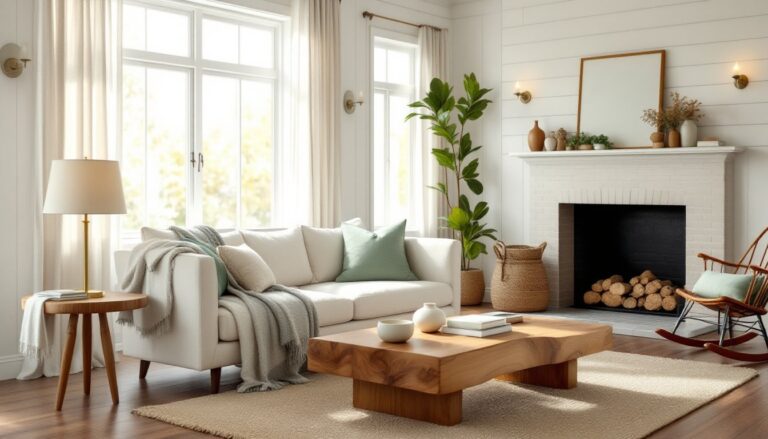
For plant-heavy corners, a tall floor plant like a Dracaena, Fiddle Leaf Fig, or Snake Plant (real or high-quality faux if light is low) creates immediate impact. Pair it with a hanging planter or wall-mounted shelf to add layers. Avoid clustering too many small plants: instead, use one statement plant with a few complementary smaller ones. This reads as intentional, not cluttered.
If plants aren’t your style, consider a tall decorative object: a slim wood sculpture, a narrow bookshelf, or an architectural fragment. Even a rolled area rug propped in the corner adds visual weight. The goal is to draw the eye up and make that dead space feel purposeful.
When selecting plants, match the light your corner gets. South-facing corners with direct sun handle sun-lovers like Jade or Rubber Plant. North-facing or interior corners do better with shade-tolerant species like Pothos or ZZ Plant. Dark corners? Go faux. Modern design sources like Domino show that well-chosen faux foliage is indistinguishable from real plants in photographs and requires zero maintenance.
Install Floating Shelves for Storage and Display
Floating shelves turn a corner into functional storage and a display opportunity. Unlike bulky bookcases, shelves respect the corner’s geometry and work in tight spaces.
Measure carefully before shopping. For a standard 8–10 inch deep corner, install shelves at 12–18 inches apart vertically (measured from shelf top to shelf top). This spacing works for most decorative items and paperback books. Adjust if you’re storing larger hardcovers or décor.
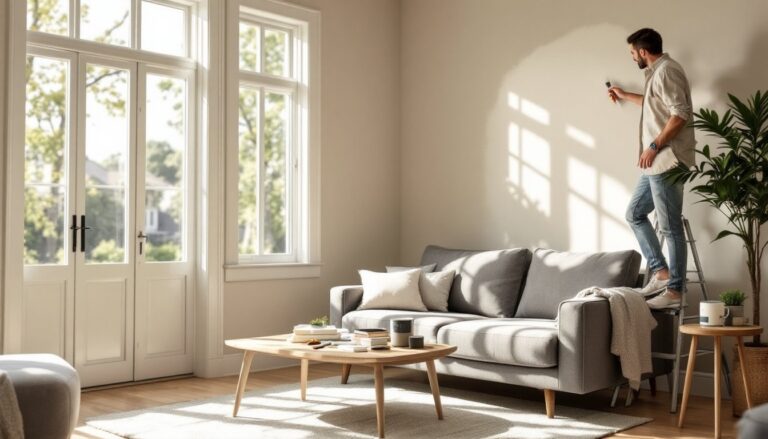
Installation is straightforward if your wall is drywall over studs. Use a stud finder to locate studs (typically 16 inches on center), then mount brackets directly into studs with 3-inch wood screws rated for your wall type. If there’s no stud where you need one, use heavy-duty wall anchors (rated for at least 50 pounds per anchor), but expect less holding capacity. For plaster walls, avoid anchors: find studs.
Styling shelves avoids the common trap of bare wood. Mix books, small decorative objects, and empty space. A common ratio is 50% display, 50% breathing room. Lean books vertically and horizontally: add a small plant, a framed photo, or a sculptural object: leave gaps. This prevents that cramped, cluttered feeling.
Consider the corner’s existing color and materials. Cottage style living rooms often pair natural wood shelves with vintage finds: modern spaces benefit from sleek black or white shelves. The shelf itself is just the structure: what you put on it tells the story.
Use Lighting to Brighten and Define the Space
Lighting transforms a corner from an afterthought into a design feature. It’s also the cheapest way to add visual drama.
Bright corners benefit from a dedicated light fixture. A pendant hung from the ceiling, a track light angled down, or a recessed light aimed at the corner all work. Aim for 2700–3000K color temperature (warm white) in living rooms, it’s inviting without feeling clinical. If the corner is dark, a clip light or small desk lamp on a shelf or table provides localized brightness.
Ambient lighting matters, too. A string light (warm white, not RGB) draped along floating shelves or wrapped around a tall plant creates mood without adding hard shadows. Neon or colored accent lighting can work, but keep it subtle, living room corners aren’t nightclubs.
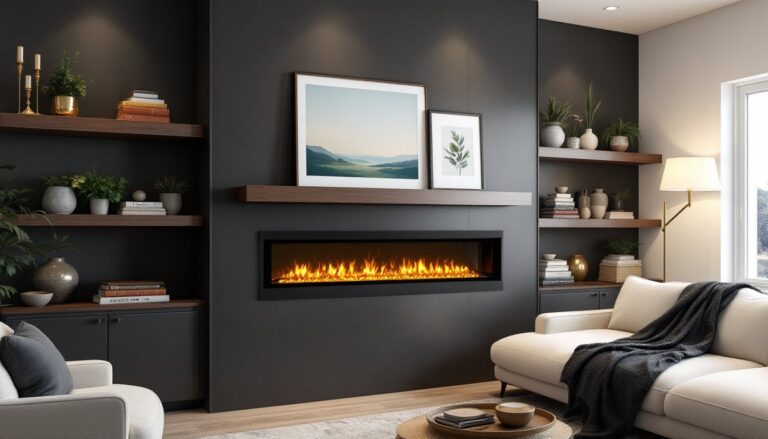
Pictures of electric fireplaces in living rooms show another trend: integrating ambient lighting with functional decor. An electric fireplace insert or a tall lamp with integrated shelving combines light, warmth, and storage in one compact corner solution.
One practical note: run new wiring only if you’re comfortable with electrical work or hire a licensed electrician. Outlets on temporary lamps and plugs are safer and easier. Test the lighting at different times of day: what looks perfect at dusk might feel cold in daylight.
Conclusion
Living room corners aren’t wasted space, they’re untapped design potential. Whether you build a reading nook, add plants, install shelves, or upgrade the lighting, each option is achievable for a motivated DIYer. Start with your corner’s light, size, and how you actually use your living room. The best decor isn’t what looks great in a photo: it’s what fits your life. Measure twice, choose function first, and watch that forgotten corner become the most-loved spot in the room.