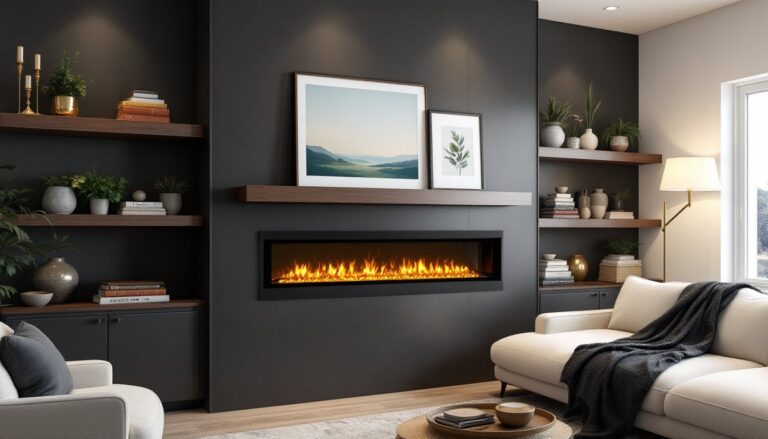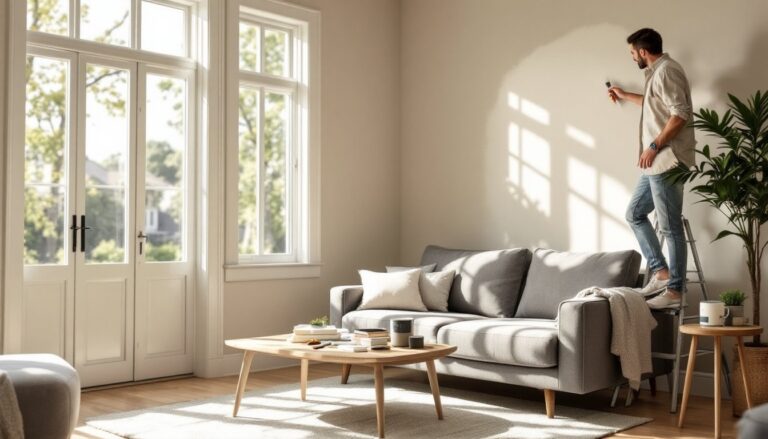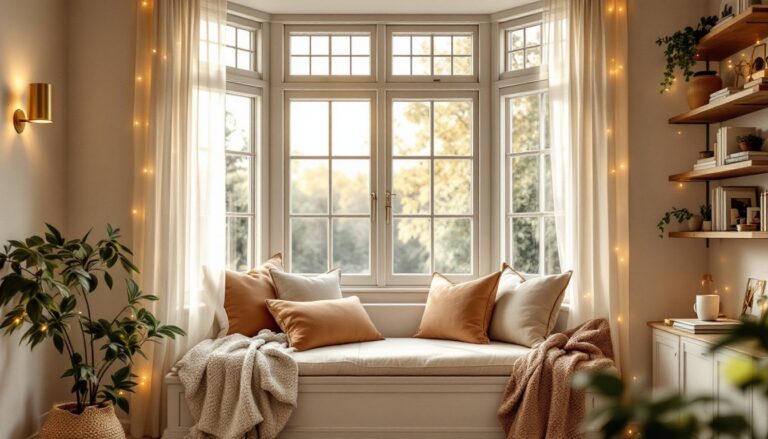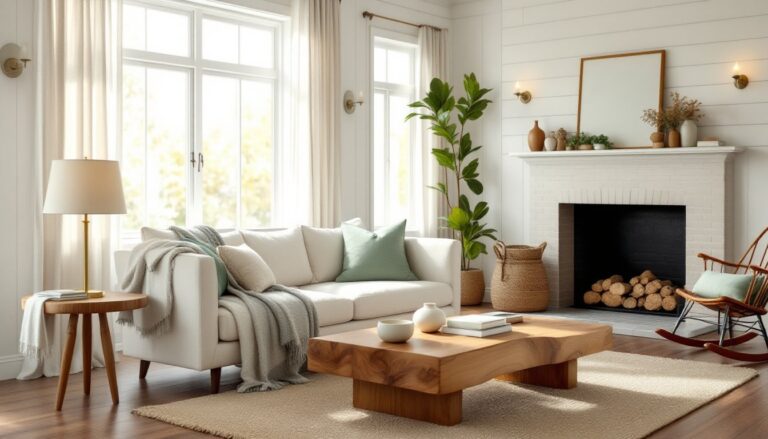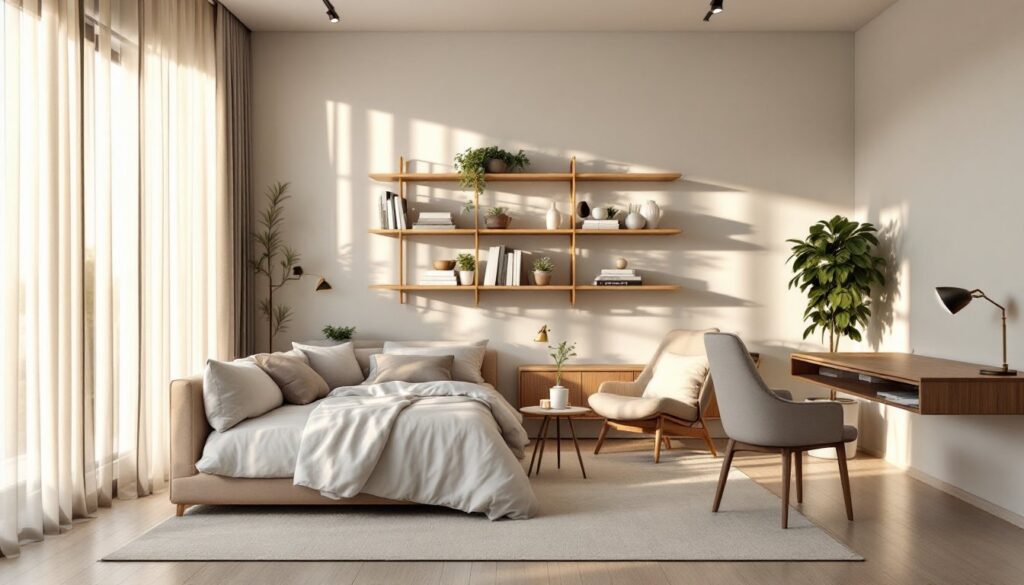
Your bedroom doesn’t have to be a one-function space anymore. Whether you’re working from home, squeezing in a reading nook, or managing a small footprint, blending living room design principles into your bedroom makes practical sense. The right layout, color scheme, and furniture choices can turn a bedroom into a flexible sanctuary that works for rest and daytime activity. This guide walks you through creating a dual-purpose bedroom that feels cohesive, comfortable, and intentionally designed, not like you crammed too much into one room.
Table of Contents
ToggleKey Takeaways
- Smart layout planning with defined zones—using furniture placement, console tables, and low dividers—lets living room bedroom ideas work without walls or permanent partitions.
- A monochromatic or near-monochromatic color palette with one subtle accent color makes dual-purpose bedrooms feel cohesive and larger while supporting both sleep and daytime activity.
- Choose scaled furniture like compact sofas (72–78 inches), loveseats, and accent chairs instead of oversized pieces to maximize floor space in small bedrooms.
- Layered lighting with bedside lamps, floor lamps, and wall sconces creates visual zones and lets you adjust brightness for sleeping or working without a dramatic switch.
- Vertical storage solutions—floating shelves, tall bookcases, and under-bed drawers—keep living room bedroom spaces organized without consuming valuable floor footprint.
Define Your Dual-Purpose Space With Smart Layout Planning
Before picking a single cushion, map out your room’s traffic flow and functional zones. Measure your space, walk it off in paces if you don’t have a tape measure handy, and identify where your bed anchors the room and where activity zones make sense.
Start by placing your bed against a wall that doesn’t interrupt natural entry and exit paths. If you’re adding a lounge area, seating should face the bed or sit perpendicular to it, creating an invisible boundary between rest and activity zones without needing walls or partitions. A floating furniture layout, where pieces sit away from walls, works well if you have 10 feet of depth to play with.
Consider sightlines from your bedroom doorway. When someone enters, they shouldn’t see a cramped tangle of chairs and a bed competing for dominance. Use furniture placement to create visual separation. A console table, bookshelf, or low storage unit can anchor the transition between sleeping and sitting areas. These pieces become functional dividers without blocking light or making the room feel smaller.
Pin your layout on paper or use a room planner app. Test different configurations before moving heavy pieces. The goal is a room where you can move freely, where the bed feels like a bedroom centerpiece (not furniture number four), and where sitting areas feel like intentional zones, not overflow storage.
Choosing a Color Palette That Works for Both Zones
A monochromatic or near-monochromatic palette is your safest bet in a dual-purpose bedroom. Sticking to a tightly edited color story makes the space feel larger and more cohesive. Think soft grays, warm whites, pale blues, or neutral beiges as your base. These colors work equally well for sleeping and lounging without feeling institutional.
If you want visual interest, introduce one accent color and deploy it consistently across both zones. Warm terracotta, sage green, or soft navy can appear in throw pillows, a small bookshelf, and perhaps an accent wall, just keep the distribution balanced. The living room half shouldn’t shout while the bedroom half whispers.
Lighting affects color perception heavily. Paint samples on your walls and observe them at different times of day. Morning light, afternoon sun, and artificial light at night will shift how colors read. Living room paint colors can inform your choices, but remember that bedroom lighting is typically softer and more intimate, so err toward colors that feel welcoming under warm bulbs rather than stark under bright overhead light.
Avoid the temptation to use high-saturation accent colors in small quantities, a bright mustard chair in a 200-square-foot bedroom can feel chaotic rather than curated. If you’re drawn to bold color, choose one area (like a feature wall behind your seating) and keep surrounding elements neutral. This approach gives personality without overstimulation.
Furniture Selection for Mixed-Use Bedroom Living Spaces
Scale matters enormously in small dual-purpose rooms. Oversized sectionals or bulky upholstered pieces eat square footage fast. Instead, choose a compact sofa, a loveseat, apartment-scale sofa, or settee in the 72–78 inch range, or lean toward individual seating like accent chairs that can float independently or tuck under tables.
Bed selection is non-negotiable. A queen-size bed (60″ × 80″) is standard and should feel like your room’s anchor, not an intrusion. If you’re in tight quarters, a full-size bed (54″ × 75″) frees up floor space for sitting furniture without feeling cramped. Platform beds with storage underneath or upholstered headboards that double as visual interest add function without bulk.
Furniture with dual purpose pulls its weight. An ottoman with hidden storage works as a footrest, extra seating, and a place to stash blankets. A nightstand that matches your seating piece’s style creates visual continuity. Console tables behind sofas or floating desks can serve as both decorative surfaces and functional work areas. Look for pieces with clean lines and exposed legs, furniture that sits up off the floor visually lightens a space.
Materials also signal intention. Upholstered pieces in durable, washable fabrics (microfiber, performance linen blends) handle both relaxing and working. Wood furniture in warm finishes bridges bedroom coziness and living room sophistication. Avoid mix-matching too many finishes, aim for two wood tones and one upholstery color as your palette. Living Room Rugs anchor furniture layouts and define zones without requiring construction or permanent changes.
Creating Separate Zones With Lighting and Decor
Lighting is the invisible hand that separates a bedroom from a living room. Overhead fixtures alone make a space feel institutional. Layer your lighting with a bed reading lamp, a standing floor lamp in your seating area, and table lamps on nightstands or side tables. This combination lets you brighten the room for activity or dim it for sleep without a dramatic switch.
Wall lights for living rooms can define zones while saving floor space. A sconce above a reading chair or beside the bed creates a dedicated focal point and signals function to your eye. Smart bulbs in warm color temperatures (2700K) support both activities, bright enough for reading or work, warm enough to promote relaxation.
Decor and styling complete the visual separation. A gallery wall or floating shelf above your seating area becomes the lounge zone’s anchor. Throw pillows, blankets, and small decorative objects grouped in that corner say “this is where you sit.” Your bed gets its own styling language, a quality headboard, coordinated bedding, and one or two accent pillows that tie to your overall palette without matching the sofa setup exactly.
A low divider, a half-height bookshelf, curtain rod with fabric panel, or even a tall plant in a ceramic planter, creates a psychological boundary between sleeping and living without blocking light or feeling like a wall. These soft dividers are your friend in small spaces: they define zones without commitment.
Storage Solutions to Maximize Small Spaces
Storage makes or breaks a dual-purpose bedroom. Without it, your space will feel cluttered no matter how good your layout is. Vertical storage is your first strategy: tall bookcases along one wall, floating shelves above a desk, or wall-mounted cabinets handle books, décor, and essentials without consuming floor footprint.
Under-bed storage using flat bins or pull-out drawers holds seasonal items, extra pillows, and bedding without visible clutter. A bed with drawers built into the base solves this elegantly. Nightstands with shelving or multiple drawers consolidate surfaces, fewer small tables mean more open floor space.
The back of your bedroom door becomes prime real estate. Over-door organizers, hooks for bags or robes, or a tall narrow cabinet tucked in the corner gives you storage without a footprint. If your seating piece has legs (not a skirted base), you can slide a flat storage bench or box underneath for seasonal items.
Keep visible storage stylized. Woven baskets on shelves, decorative storage boxes, and curated collections on display make storage feel intentional rather than necessary. If storage is overflowing or chaotic, your carefully planned zones fall apart visually. Aim for the principle: everything you own should have a designated home, not a temporary landing spot on your sofa or chair. Interior ideas often emphasize that intentional storage transforms a room from chaotic to curated.
Bringing It All Together: Real-World Room Examples
Let’s walk through two realistic scenarios to see these principles in action.
Scenario One: The Compact Urban Bedroom (150–180 sq ft)
Your bed sits against the far wall, angled slightly if the layout allows. A loveseat in neutral linen floats perpendicular to the bed’s foot, creating an L-shape. A small round side table between the bed and seating holds a lamp and coffee. The wall opposite the bed holds floor-to-ceiling shelving, books, décor, and storage baskets. A soft area rug defines the seating zone. Lighting includes a bed reading lamp, a table lamp on the side table, and a floor lamp in the corner. This room sleeps you and hosts a reading nook without ever feeling cramped.
Scenario Two: The Master Bedroom With Work Zone (220–250 sq ft)
Your bed anchors one side. A floating desk with a comfortable desk chair claims the opposite corner, this becomes your work zone, visually separated by a low bookcase behind the desk or a tall narrow cabinet. A compact armchair with an ottoman sits in another corner with a floor lamp, creating a third zone for relaxation. Lighting is layered: bedside lamps, task lighting at the desk, and a floor lamp at the reading chair. Color throughout is soft gray and white with touches of muted green in throw pillows and a single plant. Storage is handled by the wall-mounted shelves above the desk, an under-bed storage system, and a low dresser that coordinates with your seating pieces.
Both examples follow the same rules: scaled furniture, monochromatic palettes with subtle accent colors, layered lighting, and clear functional zones defined by placement and décor rather than walls. Your room doesn’t need to be Instagram-perfect: it needs to work for how you actually live. Resources like Domino and MyDomaine showcase modern layouts that balance style with livability, studying real rooms (even if you don’t copy them) trains your eye for proportion and balance. Eclectic living rooms demonstrate that mixing styles works when you stick to a cohesive color story and keep sightlines clean.
Conclusion
Transforming a bedroom into a dual-purpose room is less about sacrifice and more about intention. Your layout, color palette, furniture scale, and lighting choices work together to create a space that breathes as both bedroom and living area. Start with the bones, measure, map, and test your layout before buying a single piece. The rest follows naturally. A bedroom that works for both sleep and daytime activity becomes not a compromise, but a smart, flexible home within your home.