A living room table isn’t just furniture, it’s the centerpiece of your space and often the first thing guests notice when they walk in. Whether you’re working with a coffee table, console, or side table, how you style it can make or break the entire room’s feel. The good news? You don’t need a decorator’s budget or a design degree to pull it off. With the right approach to layering, color, textures, and accessories, your table can become a focal point that reflects your personality while staying functional. Let’s walk through seven practical strategies to elevate your living room table from an afterthought into a showstopper.
Table of Contents
ToggleKey Takeaways
- Layer items of varying heights—such as tall vases, mid-level candlesticks, and low decorative objects—to create visual interest and prevent a flat, boring living room table design.
- Choose a cohesive color palette of 2-3 colors plus neutrals that complement your walls, sofa, and rug to ensure your table decor feels intentional and harmonious with the room.
- Incorporate natural elements like plants, wood, ceramics, and woven textures to add warmth and authenticity while mixing smooth and rough textures for added visual depth.
- Balance decorative pieces with functional accessories such as coasters, decorative trays, and candlesticks that you actually use, keeping at least 30% of your table surface clear to avoid clutter.
- Refresh your living room table decor seasonally by rotating existing pieces and swapping key items—such as changing pillar candle colors or adding seasonal branches—to keep your space feeling current without major expense.
Create Height And Visual Interest With Layered Centerpieces
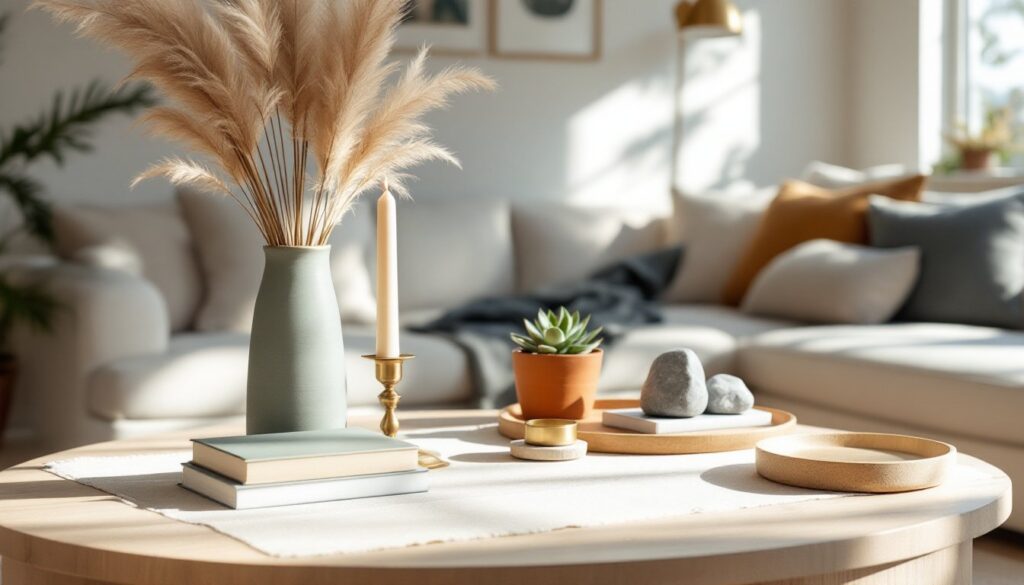
Flat, single-level tables feel boring. The secret to a styled table is varying heights to draw the eye upward and around. Start with a base, a decorative tray, a wooden box, or even a stack of coffee-table books. Then layer items of different heights on top.
Place a tall element in the back (a vase, a plant in a pedestal pot, or a sculpture) and gradually decrease heights as you move forward. A tall piece paired with a mid-height candlestick and a low-lying decorative object creates visual rhythm that’s genuinely interesting to look at. Don’t overcrowd the table: three to five items is usually the sweet spot for a balanced, intentional look.
Consider using a narrow table runner beneath your arrangement to anchor the display and add color or texture. This simple move ties everything together and creates a cohesive vignette that looks thoughtfully arranged rather than accidentally scattered.
Choose A Color Palette That Complements Your Room
Your table decor should echo the colors already present in your living room rather than fight them. Pull a primary color from your walls, sofa, or rug and build around it. If you’re not sure where to start, neutral bases (whites, grays, blacks, natural wood tones) are forgiving anchors that let you add pops of color through accessories.
Try limiting yourself to two to three colors plus neutrals, this prevents visual chaos. For example, pair navy and brass with white accents, or warm terracotta with deep greens. When you’re shopping for decorative pieces, hold them up to your existing furniture and step back to see if they belong.
Remember that living room paint colors set the tone for everything else, so your table styling should complement that foundation. You might also notice that living room rugs often anchor the entire color story, if your rug has warm tones, carry those into your table display.
Incorporate Natural Elements For Warmth And Texture
Natural materials, wood, stone, ceramics, leather, and plants, instantly add warmth and authenticity to a styled table. A ceramic vase with a matte finish feels more inviting than high-gloss plastic. A wooden box adds organic texture. A small potted succulent or trailing ivy brings life and movement to the display.
Mix smooth and rough textures: pair a sleek metal candlestick with a chunky knit throw draped nearby, or set a polished stone sculpture next to weathered driftwood. This contrast makes your styling feel intentional and layered. Plants are particularly powerful because they’re living decor, they grow, change, and signal that your space is cared for.
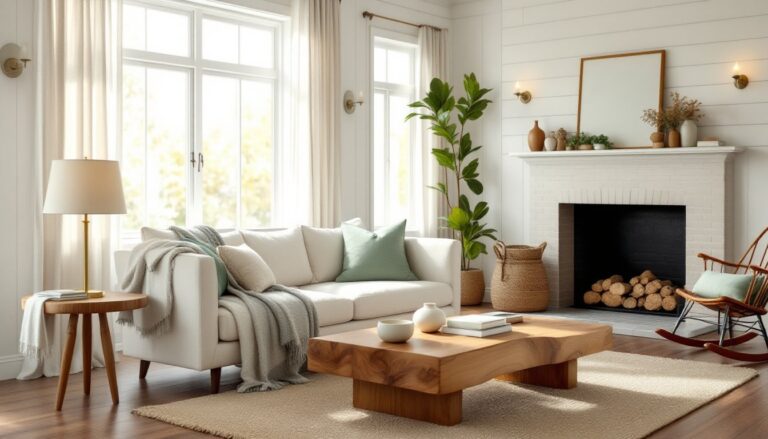
Linen, jute, and woven baskets also work beautifully on tables. A woven basket beneath your table can store throw blankets or books while adding visual interest and texture. If you’re drawn to cottage style living rooms or beach style living room aesthetics, natural elements are non-negotiable, they’re the foundation of those looks.
Balance Functional Accessories With Decorative Pieces
Style With Purpose: Keeping Your Table Practical Yet Beautiful
A perfectly styled table that doesn’t work for real life isn’t a win, it’s a trap. The best table designs blend beauty with utility. This means your decor should include items you actually use: coasters, a small tray for remotes, a candle you light, a coffee-table book you thumb through.
The trick is choosing functional pieces that look intentional. A marble or wood coaster set isn’t just practical: it’s a design element. A decorative box for remote controls or throw blankets serves double duty. A beautiful wooden tray corrals candles, plants, and small objects while keeping the table visually organized.
Arrange remotes, magazines, and everyday items on decorative trays to corral clutter. Keep at least 30% of your table surface clear so it doesn’t feel cluttered or unusable. Wall lights for living rooms work with your table styling by layering the light in your space, good task lighting near your table makes the area more functional and highlights your styling after dark.
Refresh Your Table Seasonally For Year-Round Appeal
Your table doesn’t have to look the same every day of the year. Seasonal refreshes keep your space feeling current and give you an excuse to swap out decor. In spring and summer, introduce lighter colors, fresh flowers in clear vases, and breezy textures like linen. Fall calls for warm metallics, amber-toned glass, dried grasses, and deeper jewel tones. Winter invites cozy textures, whites, silvers, and metallics that catch light during darker months.
You don’t need to buy entirely new pieces each season. Rotate what you have, swap out a few key items, and rearrange heights and groupings. A simple pillar candle swapped from white to deep red or a vase refilled with seasonal branches can completely shift the mood. Some homeowners working with themed living room ideas or specific design directions plan their table refreshes around those themes.
Design inspiration sites like Homedit and Domino regularly feature seasonal styling ideas that can spark your own creativity. A quick seasonal edit keeps your table fresh without major expense or effort.
Conclusion
Your living room table is a blank canvas waiting for your personal touch. By layering heights, choosing a cohesive color palette, incorporating natural elements, balancing function with style, and refreshing seasonally, you’ll create a table that’s beautiful to look at and genuinely useful. Start with one or two changes, maybe a new vase and some books, and build from there. The goal is a space that feels like yours, not like a showroom. Trust your instincts, keep it practical, and enjoy the process.