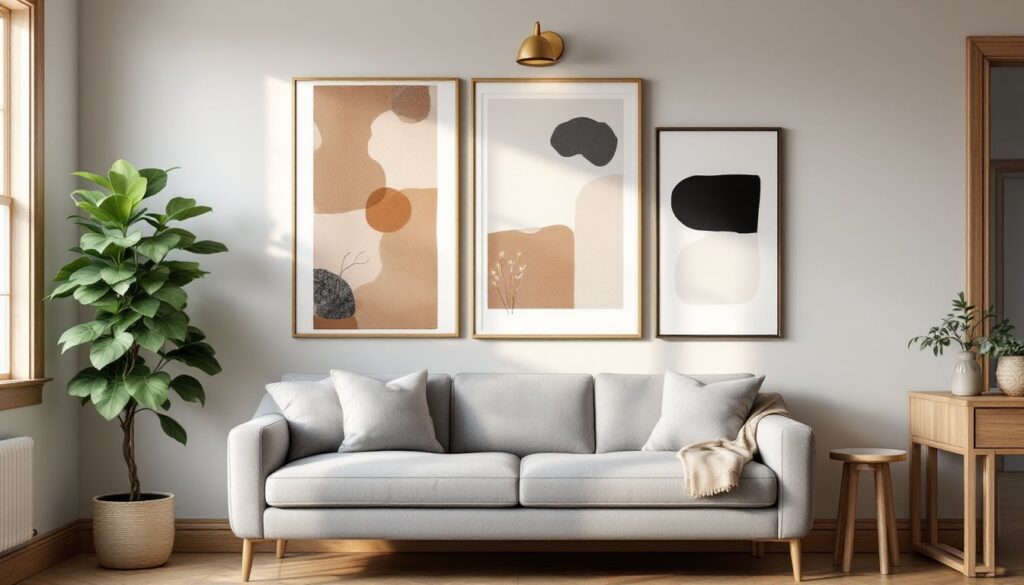
Hanging art on your living room walls isn’t just about filling empty space, it’s about setting the tone for how you and your guests experience the room. The right wall art can anchor a color scheme, define your aesthetic, or pull together mismatched furniture into a cohesive design. But choosing and displaying art well requires more than scrolling through Pinterest and buying whatever catches your eye. You need to understand your space, know your style, and grasp the practical mechanics of arrangement. This guide walks you through the process step by step, so you can confidently select and hang art that actually works in your living room.
Table of Contents
ToggleKey Takeaways
- Living room art decor should be anchored in your room’s existing color palette, style, and lighting to create a cohesive, intentional design rather than following trends blindly.
- Hang art at 57 to 60 inches from the floor to the center of the piece for optimal eye-level viewing, and maintain 6 to 12 inches of clearance above furniture like sofas or console tables.
- Choose a frame style that coordinates with your room’s metals and architectural style—ornate frames suit traditional spaces, while thin metal frames work best for contemporary living rooms.
- For gallery walls and multiple pieces, use consistent 2 to 3-inch spacing between frames and plan your layout with pencil marks and a level before drilling holes to avoid costly mistakes.
- Art size should occupy roughly one-third to one-half of the available wall space above furniture to prevent visual imbalance and ensure the piece makes appropriate impact in your living room.
- Use proper hanging hardware rated for your art’s weight—heavy-duty picture hooks for standard pieces and French cleats or toggle bolts for items weighing over 20 pounds.
Understanding Your Style and Space
Assessing Your Room’s Aesthetic and Layout
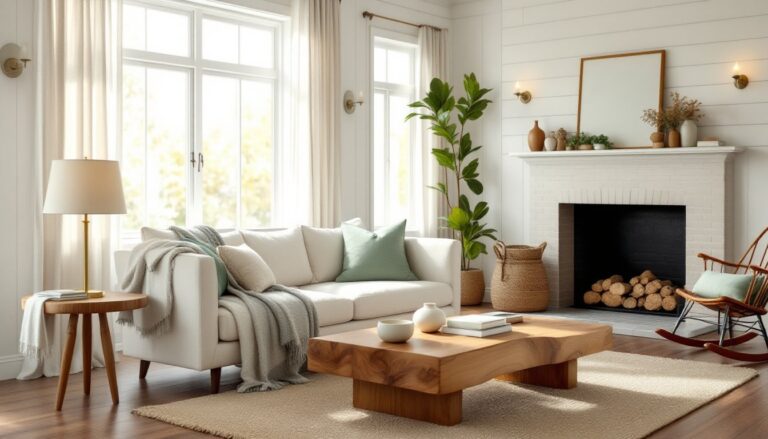
Before you buy a single piece of art, spend time really looking at your living room. Note the dominant colors in your furniture, flooring, and existing decor. Are your walls neutral or already painted a bold shade? What’s the room’s architectural style, modern, traditional, eclectic, farmhouse? If you’re working with a specific design direction, your art should speak that language.
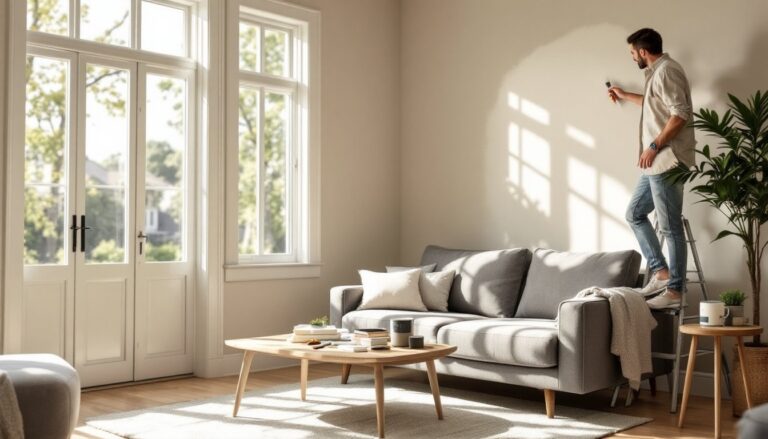
Measure your wall space and note what you’re working with. A small living room with limited wall real estate demands a different approach than a sprawling space with soaring ceilings. Identify which walls are truly focal points (the wall opposite the main seating area, above a fireplace) versus filler walls. This distinction matters because your strongest, most intentional pieces should go on focal walls.
Think about traffic flow and sightlines. What does someone see when they walk in? What view do people get when sitting on your couch? These practical questions shape where art makes the most visual impact. You might choose a Art Deco Interiors direction with bold geometric patterns, or lean into something softer and more understated, the key is clarity about what appeals to you before you start shopping.
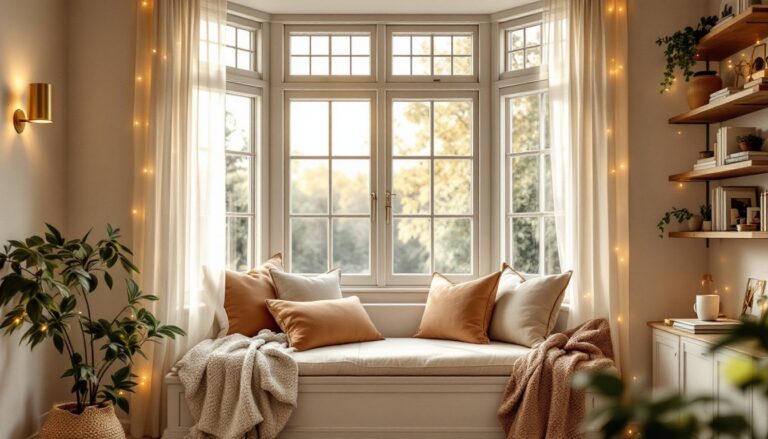
Consider the room’s lighting too. Natural light changes throughout the day, and artificial light (including wall lights for your living room) affects how colors and finishes read on your art. Glossy frames catch light differently than matte ones. This matters when you’re evaluating how a piece will actually look in your specific room.
Selecting the Right Art for Your Walls
Balancing Color, Subject Matter, and Personal Preference
Art selection boils down to three overlapping questions: Does it fit your space’s color palette? Does the subject matter resonate with you? And honestly, does it make you happy when you look at it?
Start with color. If your walls are painted a neutral backdrop, art becomes your chance to introduce or reinforce color. A piece with warm tones can complement earth-toned furniture: cool tones work with blues and grays. If you already have bold wall color, choose art that either echoes that palette or deliberately contrasts it. Avoid art that fights with your existing scheme, it’ll feel jarring every time you walk past it.
Subject matter is equally important. Some people love abstract work: others need representational imagery. Landscapes, botanical prints, portraits, geometric patterns, photography, each conveys a different mood. Don’t just choose what looks trendy. Choose what makes you want to keep looking at it. Your living room should reflect your taste, not a designer’s mood board. If you’re uncertain about direction, research design styles that appeal to you. Whether you’re drawn to cottage style living rooms or beach style aesthetics, your art should harmonize with that vision.
Frame selection matters as much as the art itself. A heavy, ornate frame suits traditional or maximalist spaces. Thin black metal frames feel contemporary. Natural wood brings warmth and works in farmhouse or rustic settings. The frame’s finish should coordinate with your room’s metals, if you have brass fixtures, warm-toned frames make sense: cool-toned spaces pair better with silver or black frames.
Size matters too. A single small print floating on a large wall creates visual imbalance. A massive piece in a compact room overwhelms. A general rule: the art should occupy roughly one-third to one-half of the wall space available above furniture like a sofa or console table. Oversized pieces work in modern or eclectic living rooms that can carry bold visual weight. For traditional spaces, medium-to-large is usually safer than tiny pieces that disappear.
Practical Display and Arrangement Techniques
Hanging Heights, Spacing, and Wall Composition
The most common mistake homeowners make is hanging art too high. The standard guideline is to center the art at 57 to 60 inches from the floor to the center of the piece. This feels natural at eye level when standing in the room. Adjust slightly downward if your ceilings are lower or if people will mostly view the art while seated.
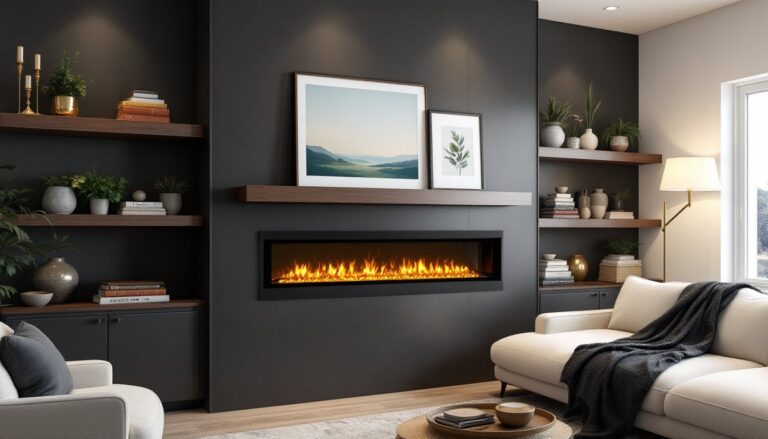
When hanging art above furniture (a sofa, console table, or electric fireplace), maintain 6 to 12 inches of clearance between the top of the furniture and the bottom of the frame. This creates visual breathing room without making the piece feel detached from what’s below it.
For multiple pieces, spacing is critical. If you’re creating a gallery wall, measure and mark all hanging points with a pencil and level before making a single hole. Spacing between frames should be consistent, typically 2 to 3 inches is pleasing to the eye. You can arrange pieces in a grid (formal and balanced), a salon style (tighter, more eclectic arrangement), or a scattered cluster. The method depends on your room’s personality. A modern or minimalist living room typically favors grids: maximalist or bohemian spaces embrace salon-style density.
Use proper hardware. For drywall, heavy-duty picture hooks rated for your art’s weight are essential, don’t cheap out on hanging hardware. If a piece weighs more than 20 pounds, consider French cleats or heavy-duty toggle bolts, especially on textured walls. Plaster walls may require special anchors. Read your art’s weight and your wall type, then select appropriate hardware. The last thing you want is a frame crashing to the floor.
Consider balance and composition. A single large piece anchors a wall. An asymmetrical arrangement of different-sized pieces feels dynamic and modern. A symmetrical pair flanking a focal point (a mirror, fireplace, or window) creates formal elegance. Trust your eye, step back frequently, and don’t be afraid to adjust before drilling holes. Take a photo of your layout and look at it from a distance, your phone’s camera sometimes reveals imbalances your eyes miss in the moment.
Lighting plays a final role. If your art has reflective glass or glossy finishes, avoid placing it directly opposite windows where glare becomes a distraction. Accent lighting, a small picture light mounted above a painting, can enhance artwork and add ambiance, particularly in evening hours. This is where tasteful wall lighting genuinely elevates art display.
Conclusion
Displaying art in your living room is a skill that improves with practice and clear thinking about your space. Start by understanding your room’s style, light, and layout, then select pieces that genuinely resonate with you rather than following trends. Focus on proper hanging heights, spacing, and hardware, and don’t hesitate to measure twice and adjust before making permanent marks on your walls. The result, a living room that looks intentional and feels like home, is worth the thoughtful effort.