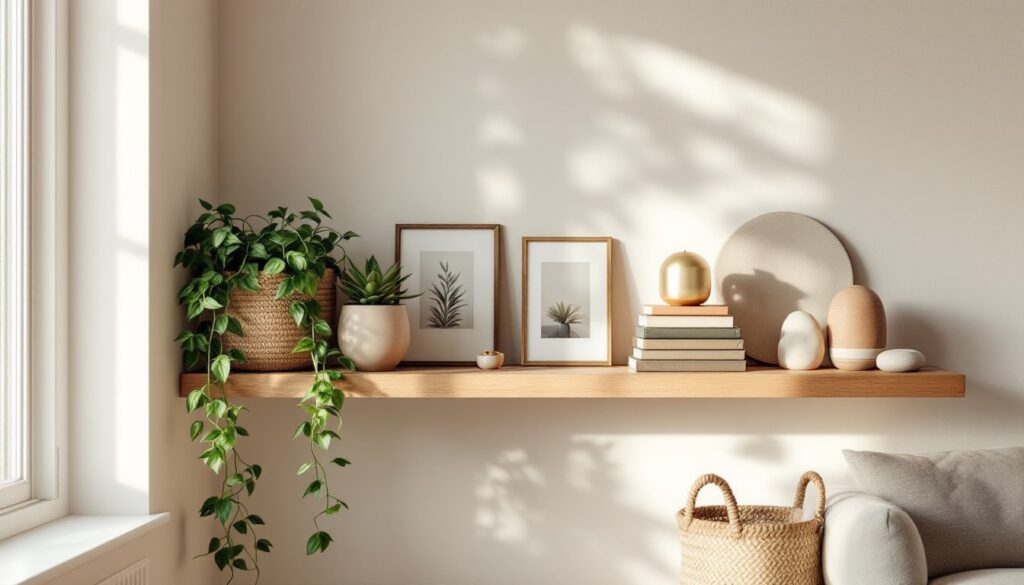
Shelving is one of the most underutilized tools in living room design. Too many people treat shelves as storage dumping grounds, a place to stack items out of sight, when they’re actually prime real estate for expressing style and personality. Whether you’re working with floating shelves, built-ins, or a tall bookcase, how you arrange them directly impacts the entire feel of your room. The good news? Styling shelves doesn’t require a professional designer’s budget or expertise. With some thoughtful planning, the right mix of objects, and an understanding of visual balance, you can transform your shelves into a curated display that feels intentional, cohesive, and genuinely inviting.
Table of Contents
ToggleKey Takeaways
- Fill 60-70% of your shelf space while leaving 30-40% empty to prevent visual chaos and allow the eye to rest between clusters.
- Layer objects strategically by placing larger items first as anchors, then smaller pieces around them in a foreground-middle-background arrangement for depth and visual interest.
- Living room shelf decor ideas thrive when you balance books, plants, and meaningful personal items—avoid mass-produced clutter in favor of pieces with history, craftsmanship, or personal significance.
- Combine contrasting textures (smooth ceramics with rough wood, matte with polished metal) and maintain a intentional color palette to create visual interest without overwhelming the space.
- Display personal collections using odd-numbered groupings of three or five items, and rotate seasonal décor to keep shelves fresh and prevent stagnation.
- Step back regularly to evaluate whether each item earns its place and serves a purpose—thoughtful editing and a measured approach to adding new pieces create curated displays that feel designed, not cluttered.
Balance Form and Function With Layered Decorative Styling
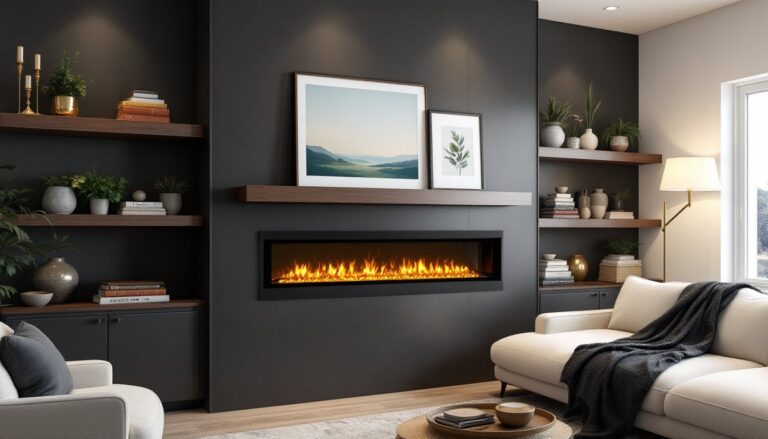
The secret to shelves that actually work, not just look pretty, is balance between what looks good and what’s practical. Your shelves need to breathe. Cramming every inch with objects creates visual chaos and makes cleaning a nightmare. Instead, think in terms of groupings. Aim to fill roughly 60-70% of your shelf space, leaving 30-40% open. This prevents overcrowding and lets the eye rest between clusters.
Start by placing your largest items first: a stack of books, a sculptural plant, a framed mirror, or a decorative box. These anchor your shelves and establish visual weight. Then layer in smaller pieces around them. A practical approach is to think of each shelf as having a foreground, middle ground, and background. Place taller objects toward the back or middle, and shorter items toward the front or edges. This creates depth and makes your arrangement more dynamic than a flat, single-row display.
Keep functionality in mind too. If your shelves serve a real purpose, holding books you actually read, displaying everyday items you use, design around that. Decorative objects should enhance these practical elements, not completely hide them. The result feels natural and lived-in rather than staged.
Incorporate Books, Plants, and Decorative Objects Strategically
Books are the backbone of most shelf displays. Rather than shelving them spine-out in neat rows, try mixing orientations. Stack some horizontally and lean a few vertically against them. Place a small object or plant on top of a stack to break the monotony. This looks intentional rather than haphazard, and it’s a technique designers use constantly.
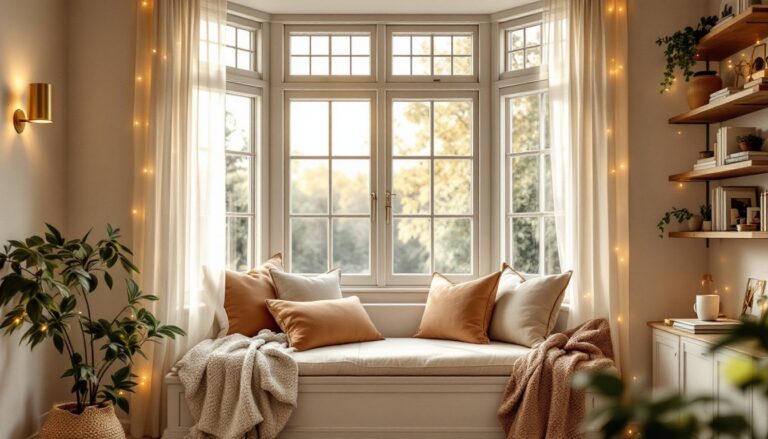
Living plants bring warmth and color that no static object can match. Trailing pothos, small ferns, or succulents work well on shelves. Just ensure they get adequate light, a shelf near a window beats a dark corner. If real plants feel too high-maintenance, quality faux plants have come a long way and can look convincing up close. Pair greenery with ceramic pots, woven baskets, or simple terra cotta to add texture.
For decorative objects, think about what already exists in your home. Vintage finds, family heirlooms, travel souvenirs, and art objects all belong on shelves if they have personal meaning. Avoid buying décor just to fill space. Pieces with history or craftsmanship, ceramic vessels, brass figurines, woven baskets, or stone sculptures, anchor a display better than trendy mass-produced items. A well-placed single item often outperforms a shelf crammed with clutter.
Create Visual Interest With Color and Texture Combinations
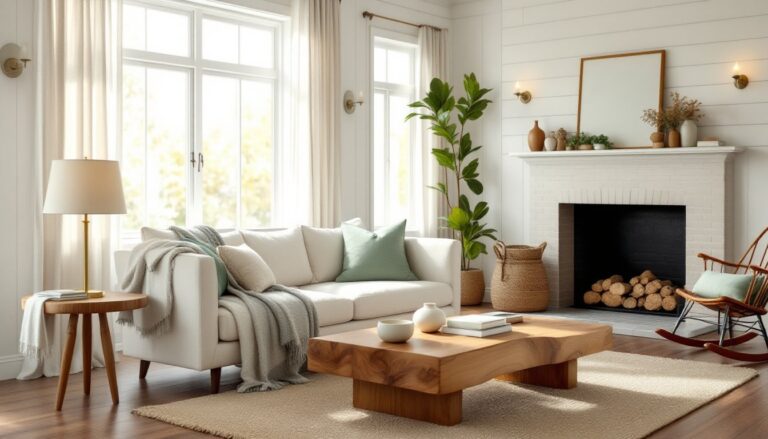
Texture is what separates flat displays from ones that draw the eye. Combine smooth ceramics with rough wood, matte finishes with polished metal, and woven fibers with glass. If you pick up a decorative object, ask: does this feel or look different from what’s next to it? If everything is similar in finish or material, add something with contrast.
Color works similarly. You don’t need a rainbow to make shelves pop, in fact, restraint usually reads better than chaos. Pick a color palette and stick to it. If your living room leans neutral, one or two accent colors on shelves (via plant pots, book spines, or a decorative object) will draw attention without clashing.
Use Neutral Palettes Versus Bold Statement Colors
Neutral shelving, whites, creams, grays, and natural wood tones, creates a calm, sophisticated backdrop. This approach works especially well in smaller rooms or if your living room is already visually busy. Neutral allows texture and form to shine. Books in varied spine colors add visual interest without overwhelming.
Bold colors work if your living room’s aesthetic supports them. If you have jewel-tone paint, patterned furniture, or eclectic style, shelves with pops of color (deep emerald, burnt orange, navy) feel cohesive. The key is intentionality, pick accent colors that tie back to your existing décor or a color scheme you’re deliberately building toward. Random color choices read as accidental rather than designed.
Display Meaningful Personal Items and Collections
The shelves that resonate most are ones that tell a story about who lives there. This is where your display moves beyond generic décor into something genuinely personal. If you collect something, whether it’s vintage cameras, ceramic plates, bookends, or art, a shelf is the perfect stage for it. Grouping similar items together creates visual cohesion while celebrating what you love.
Family photos, travel mementos, and artwork also belong on shelves. A framed image or two mixed into your display adds warmth and humanity. The interior design experts at MyDomaine often emphasize that the best-styled spaces reflect the people living in them, not magazine spreads. Don’t be afraid to display items that spark joy or mean something to you, even if they’re not conventionally decorative.
When displaying collections, the rule of odd numbers applies: grouping three or five items together looks more intentional than pairs. Vary heights and sizes within your collection, and consider a display case or a dedicated shelf to prevent other items from competing for attention. Personal collections deserve space to breathe.
Make Your Shelves Feel Intentional and Curated
The difference between shelves that look designed and shelves that look cluttered often comes down to editing. Step back and evaluate: Is every item earning its place? Can you tell someone was thoughtful about what went where? If an item doesn’t contribute to the overall look or serve a purpose, remove it.
Rotate décor seasonally or as your taste evolves. Swapping out a few objects keeps shelves fresh without requiring a complete overhaul. This is also a good opportunity to dust and reassess what’s working. Many people find that once they remove items they’ve outgrown, the remaining pieces feel more powerful.
If you’re starting from scratch, limit yourself initially. Add items slowly and notice how each addition affects the whole. A measured approach prevents the visual overwhelm that comes from having too many choices. Consider consulting resources like interior design inspiration at Homedit or modern décor trends at Domino for ideas, but always filter through your own style and what actually exists in your home.
Finally, shelves should suit your lifestyle. If you have kids, pets, or a busy household, realistic styling means accounting for that. Beautiful but functional beats pristine and impractical every time. Your shelves should make your living room feel better to live in, not just better to photograph.
Conclusion
Styling living room shelves is less about following rules and more about understanding balance, your own aesthetic, and what brings you joy. Start with the principle of breathing room, layer in objects with purpose, and let your personal taste guide the final arrangement. The best shelf displays reflect who you are, not what a magazine told you to buy. Take your time, trust your instincts, and remember that the goal is a living room that feels genuinely like yours.