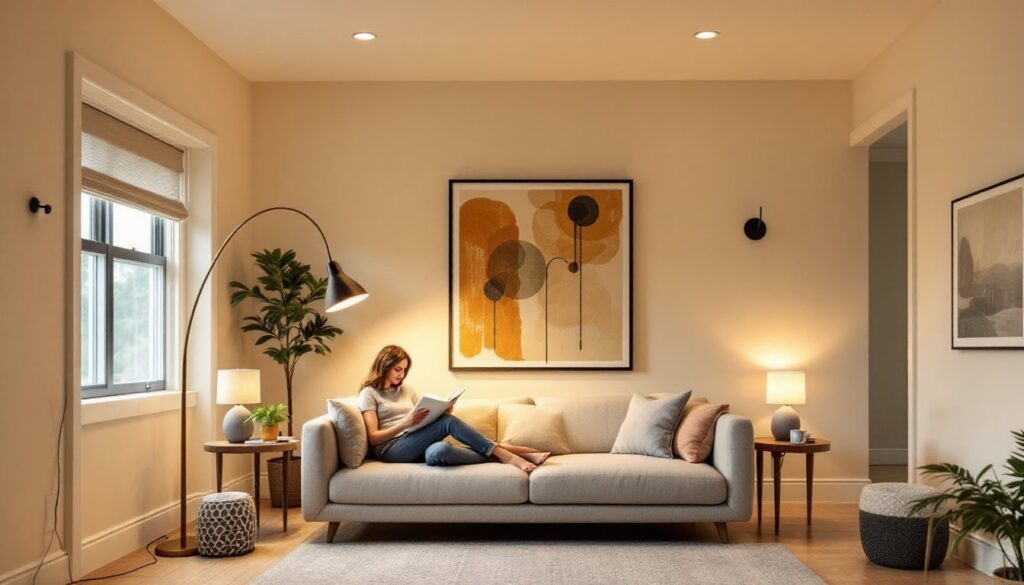
Lighting is the foundation of a welcoming living room, it sets the mood, reveals color, and shapes how you use the space. Yet many homeowners treat lamps as an afterthought, grabbing whatever sits on a shelf at a big-box store. The right living room lamps ideas can transform a flat, poorly lit room into a layered, inviting haven. Whether you’re building from scratch or refreshing what you’ve got, this guide walks you through modern lamp styles, smart solutions, and practical updates that actually work. Let’s shed some light on how to get it right.
Table of Contents
ToggleKey Takeaways
- Living room lamps ideas should follow a layered lighting approach with ambient, task, and accent tiers to create both function and ambiance rather than relying on a single light source.
- Statement floor lamps anchor furniture arrangements and add personality, but require proper placement away from traffic paths and at least 8-foot ceilings for optimal impact.
- Task lighting positioned 15–20 inches above seated eye level with dimmable warm bulbs (2700K–3000K) reduces eye strain and provides focused comfort for reading and work.
- Smart LED bulbs cut energy costs by up to 20% annually while offering WiFi-enabled control, dimming, and scheduling that enhance both convenience and sustainability.
- Budget-friendly living room lamps starting at $50–$120 combined with affordable shade replacements and DIY customization projects deliver designer-quality lighting without high-end price tags.
Statement Floor Lamps That Anchor Your Room
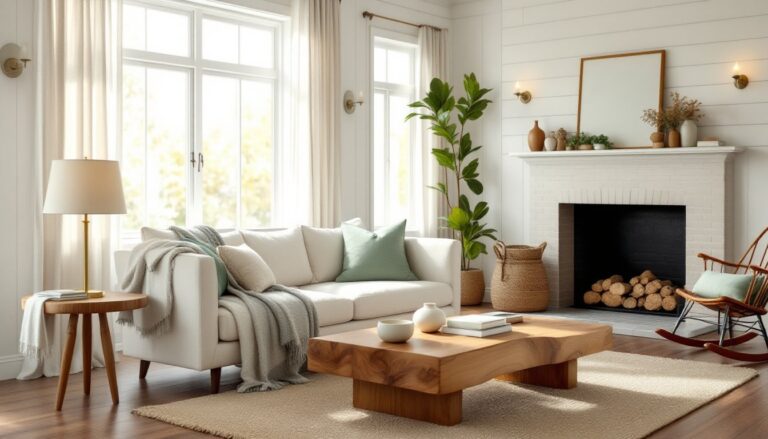
A bold floor lamp does more than illuminate, it anchors furniture arrangements and adds personality. Modern statement lamps come in sculptural brass finishes, minimalist tripod designs, and striking curved arcs that cast dramatic shadows. When choosing a floor lamp, measure your ceiling height and the wall space where you’ll place it. A tall arc lamp works best in rooms with at least 8-foot ceilings and a seating area it can reach over. Budget $150–$400 for a quality statement piece that’ll last a decade without sagging or flickering. Position your floor lamp adjacent to a seating cluster, angled slightly inward so the light hits the reading surface or conversation area without glare. Avoid placing it directly in a traffic path, you don’t want people kicking the base or bumping their heads on the shade. Check that the power cord reaches an outlet without running across the floor where it becomes a trip hazard: a heavy-duty extension cord rated for lamps is acceptable if you secure it along the baseboard.
Task Lighting For Focused Comfort
Task lighting targets specific activities, reading, working on a laptop, or playing board games. Table lamps with adjustable shades or gooseneck designs excel here. Look for lamps with dimmable bulbs and warm color temperature (2700K–3000K) to reduce eye strain during evening use. Position task lamps on side tables flanking a sofa or at the corners of a reading nook, about 15–20 inches above the seated eye level. This height prevents glare and shadows on your work surface. A pair of matched task lamps creates visual balance and ensures even light coverage across a seating area. Modern task lamps pair well with living room paint colors that reflect light softly. Brass, matte black, and warm wood finishes integrate naturally into contemporary décor without drawing attention away from the room’s palette. Test the lamp’s brightness before buying, aim for at least 800 lumens for comfortable reading without harsh shadows.
Layered Lighting For Ambiance And Function
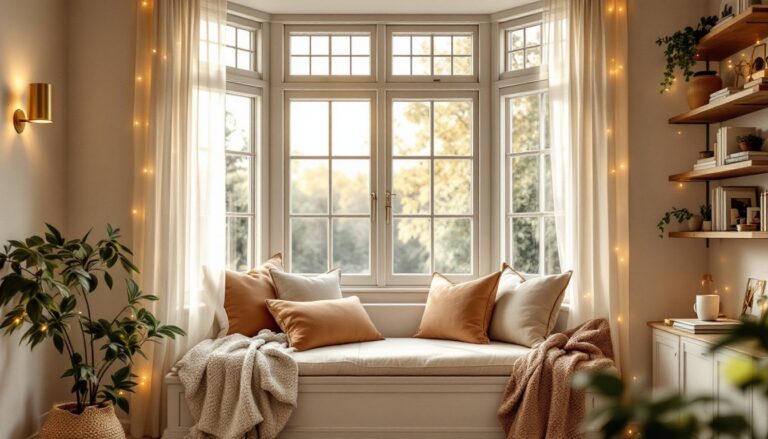
Professional designers swear by the “three-tier” lighting approach: ambient (general overhead or recessed), task (focused reading), and accent (mood-setting). Lamps handle two of these tiers beautifully. Start with ambient light from a ceiling fixture or distributed wall sconces, then add table and floor lamps for task coverage. Finish with accent lighting, smaller decorative lamps, uplighters, or strip lights behind shelving, to create depth and warmth. This layered strategy means no single lamp bears the burden of lighting the entire room. Dimmers on each tier let you adjust the mood for movie night, entertaining, or morning coffee. Wall lights for living rooms work alongside table lamps to build this versatility. A living room with only ceiling fixtures feels flat: add one statement floor lamp, two flanking table lamps, and a pair of wall sconces, and suddenly the space feels professionally designed. Vary the heights and angles, lamps on stands at 50–60 inches, table lamps at 24–30 inches, and wall sconces at 60–66 inches from the floor. This vertical spread eliminates dark pockets and creates visual interest.
Smart And Energy-Efficient Lamp Solutions
Smart lamps pair convenience with sustainability. WiFi-enabled bulbs and lamps let you control brightness and color temperature from your phone, set schedules, and sync lighting with music or voice commands. LED technology cuts energy use by 75% compared to incandescent bulbs and lasts 25,000 hours or more. For a living room, consider smart bulbs in task and accent lamps, these get heavy use and benefit most from dimming and scheduling. Ambient overhead fixtures can use simpler energy-efficient LEDs without smart features. Setup is straightforward: screw in the bulb, download the app, and connect via WiFi. Most smart bulbs range from $10–$25 each, while standalone smart lamps run $80–$250. Smart living room ideas extend beyond lamps to include automation hubs that coordinate lighting with other systems. A smart living room with layered, automated lighting also reduces electricity costs by up to 20% annually, especially if you set evening schedules that dim warm lamps at bedtime and cut unused lights during the day.
Budget-Friendly Lamp Updates For Every Style
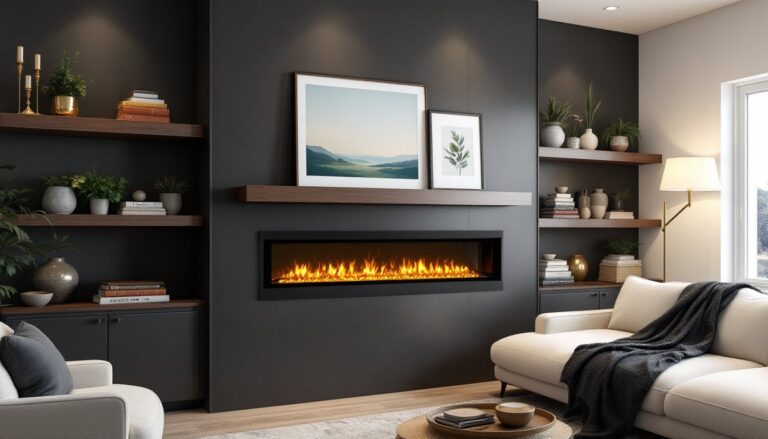
You don’t need to spend $400 per lamp to refresh your room. Target affordable retailers and vintage shops for solid $50–$120 lamps that punch above their price. Look for classic silhouettes in neutral finishes, black, white, brass, or wood. A simple tripod floor lamp, a ceramic table lamp, or a swing-arm wall mount from a budget-friendly source looks contemporary if paired with a clean shade and properly positioned. Swap out dated shades for crisp linen or cotton replacements, a new shade costs $20–$60 and instantly modernizes any lamp base. Pictures of electric fireplaces in living rooms often show layered lighting with budget-friendly pieces, proving you don’t need high-end fixtures for cohesion. Thrift stores and online marketplaces yield mid-century and contemporary bases you can rewire and reshade. Always have a licensed electrician rewire vintage lamps if cords are frayed or discolored. Pair a few well-chosen budget lamps with smart bulbs, and you’re competing with designer lighting setups for a fraction of the cost.
DIY Lamp Projects And Customization Ideas
Customizing or building lamps lets you match your exact style and save money. A simple DIY involves adding a fabric drum shade to an existing brass or wood base. You’ll need the shade frame kit ($15–$30), fabric ($8–$20 per yard), scissors, and a hot-glue gun. Measure the frame circumference and height, cut fabric with a 1-inch overlap, and glue it carefully so seams are straight and corners lie flat. Another straightforward project: upcycling vintage bottles, ceramic vessels, or wooden finials into lamp bases. Drill a hole in the base (use a diamond hole saw for ceramics to avoid cracking), thread electrical cord and socket components through, and wire the base to a plug. This requires a rewiring kit ($10–$25) and basic comfort with stripping wire and twisting connections, if you’re unsure, hire an electrician for $50–$100 to complete the electrical work safely. Always use UL-listed sockets and cords to meet electrical code. Test the lamp before placing a shade on it, ensuring the bulb doesn’t touch fabric and there’s airflow to prevent overheating. A custom shade or base that reflects your room’s palette or style makes the lamp feel intentional and personal.
Conclusion
Living room lamps are functional art, they shape how the space feels and functions. Build a layered approach with statement floor lamps, focused task lighting, and smart bulbs that adapt to your needs. Whether you’re investing in a signature piece or crafting a budget ensemble, prioritize durability, light quality, and proper placement. Test lamps in your space before committing, and don’t hesitate to customize or rewire pieces that speak to your style. The result is a living room that invites people in, supports your activities, and glows exactly how you want it to.