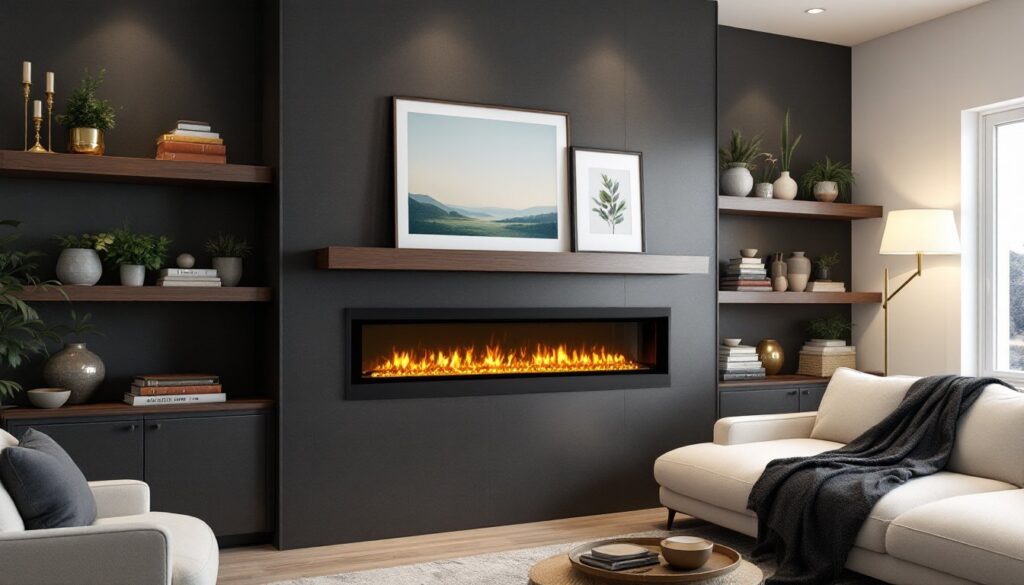
A fireplace in the corner of your living room doesn’t just provide warmth, it anchors the entire space and becomes an instant focal point that draws people in. Whether you’re working with a snug apartment or a sprawling family room, a corner fireplace maximizes valuable wall real estate and creates a naturally cozy gathering spot. From sleek modern linear designs to rustic stone installations, corner fireplaces offer flexibility that works with nearly any décor style. The challenge isn’t finding an idea that fits: it’s choosing which one makes sense for your layout, budget, and living situation. This guide walks you through seven proven approaches, complete with practical installation notes and styling tips to help you make the right call for your home.
Table of Contents
ToggleKey Takeaways
- Corner fireplaces maximize wall space while creating a natural focal point that anchors your living room and draws people to gather around the warmth.
- Modern linear fireplaces offer a sleek, gallery-like aesthetic for contemporary spaces, while electric versions eliminate the need for venting or permits and can be installed in just a weekend.
- Rustic stone fireplace designs deliver timeless charm and visual texture, but require structural support planning—especially for full-height installations—and pair best with neutral walls to let the stone shine.
- Floor-to-ceiling fireplace surrounds create dramatic vertical impact and make ceilings appear higher, though they demand proper framing, clearance codes (12 inches minimum from combustibles), and increased material investment.
- Compact corner fireplaces in small living rooms should stay 24–30 inches wide with minimal surrounds (36–48 inches tall) to preserve floor space and maintain open sightlines for furniture arrangement.
- Styling your corner fireplace with asymmetrical mantel displays, layered lighting, and strategic color contrasts (light surrounds with dark accents, or vice versa) transforms it from an installation into a designed focal point.
Modern Linear Fireplaces For Sleek Contemporary Spaces
Linear fireplaces, also called ribbon or slot fireplaces, stretch horizontally across your corner wall and deliver a clean, gallery-like aesthetic. They’re the darling of contemporary design because they’re uncluttered and command attention without ornamentation.
These units typically range from 36 to 72 inches wide and sit flush against the wall, burning either natural gas, propane, or electricity. A gas linear fireplace requires a vent opening and supply line, which means running utilities through your wall, best tackled during a renovation or with professional help. Electric versions sidestep this headache entirely: they plug into a standard outlet and need no venting.
The frame often comes in stainless steel, matte black, or aluminum. The surround can be drywall (painted to match your walls), tile, or stone veneer. Many homeowners pair linear fireplaces with floor-to-ceiling surrounds in a contrasting material like charcoal tile or concrete to create drama.
Installation complexity varies. Built-in gas models demand framing, gas line work, and possibly a permit. Electric inserts mount much easier, think TV-installation level. Either way, measure your corner space carefully. Account for at least 6-12 inches of clearance on either side of the fireplace unit, depending on manufacturer specs and local codes.
Rustic Stone Fireplaces With Classic Charm
A full-height stone fireplace in the corner exudes permanence and craftsmanship that modern designs can’t replicate. Real or manufactured stone veneer, stacked fieldstone, slate, or faux stone, creates texture and warmth that photographs beautifully and feels timeless.
Real stone weighs 100+ pounds per cubic foot, so structural support matters. You may need to reinforce the floor or wall framing, especially if you’re going full height. Manufactured stone veneer is lighter and easier for DIYers to install over drywall, though it still requires careful prep and often professional masonry work for load-bearing applications.
The fireplace opening typically measures 32 to 42 inches wide with a 24 to 36-inch-tall opening, depending on the chimney draft requirements and aesthetic preference. A wood-burning fireplace sits inside and requires a Class A chimney liner, metal pipe that runs from the firebox to above the roofline. Gas-burning inserts fit the same opening but need smaller venting, while electric units skip venting altogether.
Brick mortar joints should be raked or recessed by about ½ inch to create shadow lines that enhance the stone texture. When styling, let the stone be the star. Pair it with neutral walls and avoid competing patterns. Stone fireplaces feel right at home in Cabin Living Rooms: Transform, where they anchor the entire aesthetic.
Built-In Electric Fireplaces For Easy Installation
Electric fireplaces are the unsung hero of corner installations because they require zero venting, zero gas lines, and zero permits in most jurisdictions. They plug into a standard 120V outlet and produce flame effect (via LED and mirrors or 3D hologram technology) plus radiant heat, typically 750 to 1500 watts.
They come as inserts that drop into custom surrounds, or as all-in-one units with trim frame included. Built-in inserts fit snugly into a rough opening, then you frame the surround with drywall, tile, stone, or trim. The insert itself measures roughly 24 to 36 inches wide and 18 to 26 inches tall, compact enough to fit tight corners.
Flame quality has improved dramatically. Modern LED versions mimic real fire convincingly: look for units with adjustable flame intensity and color. Heat output won’t replace your furnace, but it warms a room comfortably and offers zone heating (heat just the living room while keeping the rest of the house cool).
Electric units work beautifully in apartments, condos, or rentals where venting isn’t an option. Installation is straightforward: frame the opening, run a power circuit (or use an existing outlet if it’s nearby), slide the insert in, and trim it out. You can tackle this solo over a weekend. Pictures of Electric Fireplaces showcase how effective these units are when properly styled with surrounds and mantels.
Floor-To-Ceiling Designs To Maximize Visual Impact
Going vertical transforms a corner fireplace from backdrop to showstopper. A floor-to-ceiling surround draws the eye upward and makes ceilings feel higher. It also creates storage or shelving opportunities above the firebox.
Design options range from a simple single-material wall (all tile, all stone, all shiplap) to mixed finishes, like stone below and shiplap above, or a wood mantel shelf at 60 inches high flanked by floating shelves. The key is proportion: if your ceiling is 8 feet, divide the wall into thirds or quarters to guide your material transitions.
Structurally, floor-to-ceiling surrounds require proper wall framing and support, especially if you’re mounting shelves or a heavy mantel. A 1×10 or 1×12 mantel sits on steel brackets or corbels rated for the weight you’re hanging. Building codes require at least 12 inches of clearance from the top of the fireplace opening to any combustible material (wood mantel, shiplap) above it. Gas and wood fireplaces demand more clearance than electric.
Material cost rises with height, but impact multiplies. A stone veneer wall 8 feet tall creates a statement that defines the room. Pair it with complementary Living Room Paint Colors: on adjacent walls to avoid visual chaos. Lighting helps: recessed fixtures above highlight the texture, or consider Wall Lights for Living flanking the surround at eye level for ambiance.
Compact Corner Fireplaces For Small Living Rooms
Small spaces demand smart choices. A compact corner fireplace, 24 to 30 inches wide, fills the nook without overwhelming the room. Electric inserts or slim gas units work best here because they don’t require extensive venting or clearances.
The surround should be minimal: a simple frame of tile, drywall, or trim. Avoid heavy stone or floor-to-ceiling designs that chop up a tiny room. Instead, keep the surround 36 to 48 inches tall to preserve wall space for furniture arrangement. A single floating shelf above the fireplace (or none at all) keeps things uncluttered.
Corner placement matters in small rooms. Position seating to face the fireplace without blocking flow through the room. An accent chair and side table form a cozy nook without eating into floor space. Avoid centering the sofa on the fireplace if it means wasting the room’s middle.
Space-Saving Layout Tips
- Choose a compact electric or narrow gas unit to preserve wall width. Think 24 to 28 inches, not 48.
- Skip the mantel surround if space is tight. A simple trim frame around the fireplace insert maintains visual breathing room.
- Use corner shelving above or beside the fireplace for décor and storage without jutting into the room.
- Angle seating toward the fireplace rather than facing it directly: this opens up sight lines and makes the space feel larger.
- Keep wall color light and consistent with adjacent walls to avoid the fireplace corner looking boxed in. A contrasting surround (tile or stone) works: contrasting wall paint does not in tight quarters.
Design Finishing Touches And Styling Your Fireplace Corner
Once the fireplace is installed, styling determines whether it feels like an afterthought or a designed focal point. A mantel is the easiest place to start, decorate it seasonally with objects of varying heights. A tall candlestick, a framed print, a small plant, and a stack of books create visual interest without clutter. Avoid symmetrical displays: asymmetry feels more curated and less showroom-like.
Floor-to-ceiling surrounds benefit from styling too. Float shelves flanking the fireplace hold books, sculptures, or ceramics. Keep shelves roughly 60 percent full to avoid a cluttered museum effect. Incorporate Smart Living Room Ideas: like a flat-screen TV mounted above the fireplace (ensure it’s at comfortable viewing height, roughly eye level when seated) or a hidden smart speaker in nearby shelving.
Color and texture matter more than quantity. If your surround is light stone, introduce warmth with a dark wood mantel, brass accents, or dark-framed mirrors. If the surround is dark tile or charcoal stone, add lightness with white ceramics, light wood frames, or botanical prints. The fireplace corner should complement, not match, the rest of the room.
Areas like Cottage Style Living Rooms: balance fireplace surrounds with textured throws, layered rugs, and warm accessories that invite sitting. For modern spaces, pair sleek surrounds with minimal décor, a single large-scale art piece, one sculptural object, and clean lines. Design inspiration from Houzz and Domino show how professionals style fireplaces: notice they rarely crowd the surround and always leave breathing room.
Lighting transforms the space after dark. Install dimmable recessed lights above and to the sides of the fireplace to highlight the surround texture. Pair these with a table lamp on a nearby console for layered, warm ambiance. In the evening, fireplace glow combined with softer ambient lighting creates the coziness that makes people linger.
Final Thoughts
A corner fireplace isn’t just functional, it’s an opportunity to define your living room’s personality and make the space feel intentional. Whether you choose a modern linear unit, timeless stone, or practical electric insert, the foundation is honest installation and thoughtful styling. Start with your space constraints, lifestyle, and design preference. Measure twice, plan your materials, and don’t skip the prep work, it’s where most projects succeed or fail. Your corner fireplace will anchor your living room for years to come.